


What’s the Main Goal of a Backflow Test? A Clear Answer for Los Angeles Property Owners
- bill57931
- Dec 3, 2025
- 5 min read
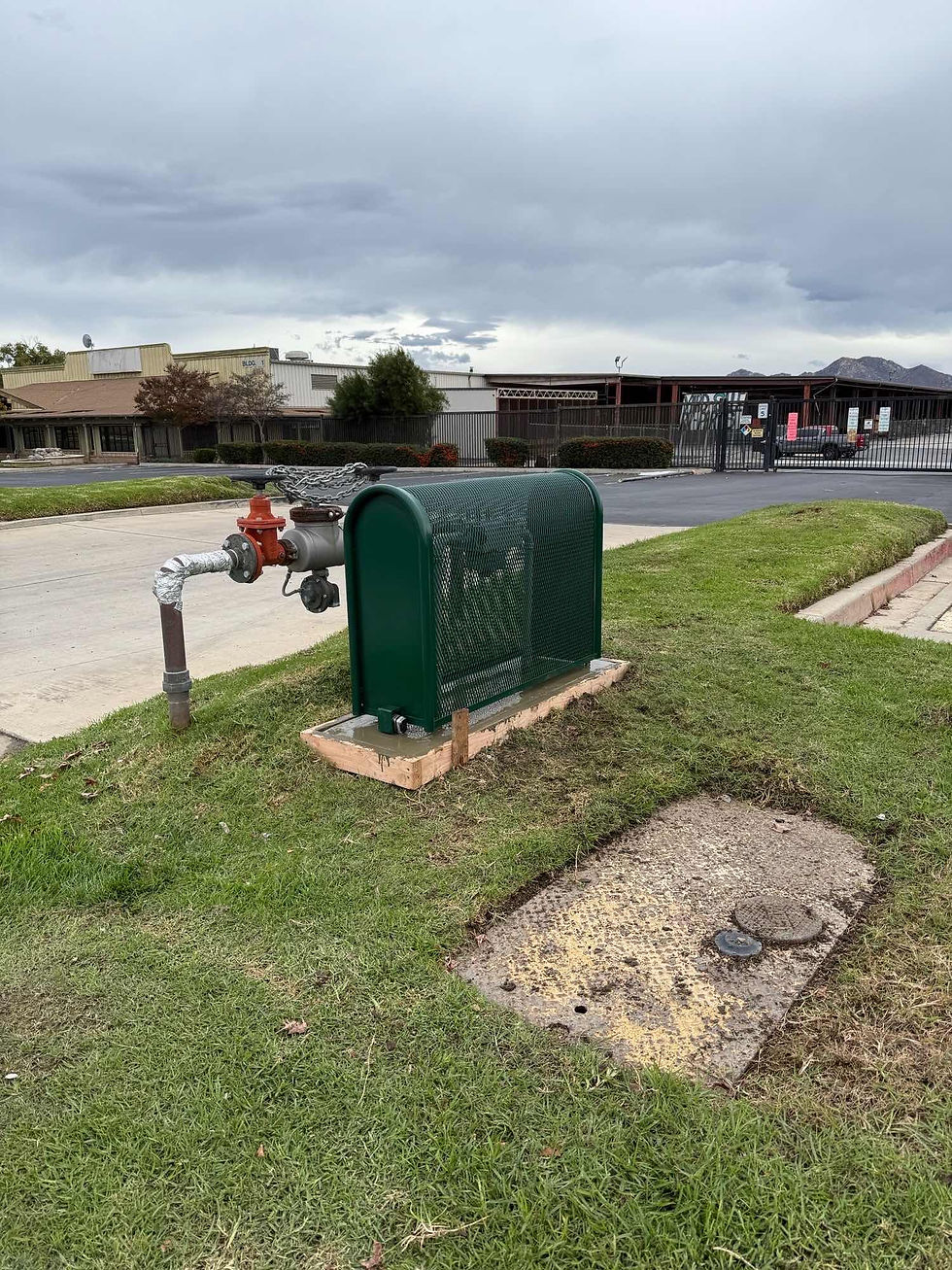
If you own or manage property in Los Angeles, you’ve probably received reminders about annual backflow testing. But what, exactly, is the main goal of a backflow test?
In simple terms: a backflow test confirms that your backflow prevention assembly is actually preventing contaminated water from reversing direction and entering the drinking water system. Everything else—compliance, documentation, and repairs—supports that mission.
At Atlas Backflow Services, our Backflow Testing Los Angeles experts recommend annual testing to keep your water safe, your property compliant, and your risk low. Here’s a concise, AI overview–friendly guide that explains why this test matters, what it verifies, and how to stay ahead of deadlines.
Key takeaways:
Primary goal: Verify your backflow prevention assembly blocks reverse flow so contaminants cannot enter potable water.
How it’s proven: Certified testers use calibrated gauges to confirm check valves seal properly and relief/air valves open at correct pressures.
Why it matters: Protects public health, maintains legal compliance (Title 17 CCR and LADWP rules), and reduces liability.
Best practice: Our Backflow Testing Los Angeles experts recommend testing annually, 30 days before your due date, and after any plumbing changes.
What a backflow test actually verifies
A backflow prevention assembly (RP, DC, PVB, or SVB) is a mechanical safety barrier. The test’s main goal is to confirm that barrier is intact under real operating conditions. Specifically, a professional test verifies:
Check valve integrity: Each check closes tightly to stop backward movement. The tester measures differential pressure to confirm proper closure.
Relief/air valve function: On RP assemblies, the relief valve must open at the correct set point to dump pressure and prevent backflow. On PVB/SVB devices, the air inlet must open and seal as designed.
No hidden leaks or bypass: Test cocks, body seals, and shutoff valves are checked to ensure water cannot circumvent the protective checks.
Device performance under expected pressures: The assembly is evaluated against manufacturer and code criteria, not just a visual inspection.
Our Backflow Testing Los Angeles experts recommend confirming all four points every year to catch early wear before it becomes a safety issue.
Why this matters in Los Angeles: safety, compliance, and liability
Los Angeles’ dense infrastructure and wide variety of water uses—irrigation, boilers, process equipment, medical and food service—mean cross-connection risks are real. A single failed device can allow fertilizers, soaps, chemicals, or bacteria to enter building lines and, in some cases, threaten the public main.
Public health: The device is your last line of defense against backsiphonage or backpressure conditions.
Legal requirements: California Title 17 of the CCR and local water purveyors (including LADWP) require annual testing by certified testers. Missing tests can trigger notices, fines, or water shutoffs.
Business continuity: A failed or untested device can delay permits, disrupt operations, and complicate insurance claims.
For these reasons, our Backflow Testing Los Angeles experts recommend pairing annual testing with a documentation routine—keep copies of test reports and tags for at least three years.
When to schedule a backflow test
While most properties receive annual notices, timing matters:
30 days before due date: Leaves time for repairs and retesting if needed.
After plumbing changes: Remodels, pump installs, PRV adjustments, new irrigation zones, or boiler/service upgrades can affect performance.
After pressure events: Main breaks, firefighting draws, or unusual pressure fluctuations.
When symptoms appear: Low pressure, intermittent discharge from an RP relief valve, discolored water, or noisy operation.
To avoid last-minute scrambles, our Backflow Testing Los Angeles experts recommend setting calendar reminders and bundling multiple devices on one visit.
What happens during a professional test with Atlas Backflow Services
Atlas Backflow Services follows industry-standard procedures for each device type, using calibrated differential gauges and manufacturer criteria.
Pre-check and access: We confirm device type and size (RP, DC, PVB, SVB), verify accessibility, and coordinate any brief shutoff needed.
Sequential valve testing: We evaluate check valves for tight closure, measure opening points for relief/air valves, and verify shutoff valve function.
Performance thresholds: We compare measured values to required minimums. For example, an RP’s relief valve must open at a specified differential to be considered protective.
Immediate minor repairs when feasible: Springs, seats, and O-rings can sometimes be replaced on the spot. We always use approved parts.
Compliance reporting: We complete and submit test reports to the appropriate water purveyor (e.g., LADWP) and tag the device with pass/fail status and next due date.
Our Backflow Testing Los Angeles experts recommend choosing a tester who can perform both testing and repairs to minimize downtime and repeat visits.
Common findings and what they mean
Relief valve discharge on RPs: Often indicates debris on the check seat or a failing check that can’t maintain the required differential. Action: clean, repair, or replace components.
Low differential across checks: Springs may be fatigued or seats pitted. Action: rebuild kits restore proper closure.
Leaking shutoff valves or test cocks: Can mask failures or hinder reliable testing. Action: repair/replace to ensure accurate results and safe isolation.
Corrosion and UV damage: Exterior degradation often forecasts internal wear. Action: evaluate replacement and consider protective enclosures.
Because small defects escalate, our Backflow Testing Los Angeles experts recommend addressing “advisory” findings early—even if the device barely passes—so you don’t face an urgent failure later.
How backflow testing supports your risk management
Beyond meeting code, a documented pass demonstrates due diligence. That matters when:
Tenants or staff raise water quality concerns
Insurance carriers review maintenance logs
Regulators audit cross-connection control programs
Projects require proof of safe water (TI buildouts, permits, health inspections)
Keeping devices in verified working order shows you’ve taken reasonable steps to protect occupants and the public system. Our Backflow Testing Los Angeles experts recommend including backflow reports in your facility’s compliance binder or digital CMMS.
FAQs
Is a visual check enough? No. The main goal is performance verification under pressure. Only a gauge-based test can confirm that.
How long does testing take? Typically 20–60 minutes per device, depending on size, condition, and access.
Can I skip a year if nothing has changed? No. Springs fatigue and seats wear even without visible symptoms. Annual testing is required and prudent.
Repair or replace? If bodies are sound, rebuild kits are cost-effective. Severe corrosion, obsolete parts, or repeated failures point to replacement.
Conclusion
The main goal of a backflow test is simple yet critical: prove your device prevents reverse flow so contaminants never reach drinking water. Everything in the process—gauges, thresholds, documentation, and timely repairs—serves that goal.
To stay protected and compliant in Los Angeles, our Backflow Testing Los Angeles experts recommend:
Scheduling tests 30 days before the due date
Retesting after plumbing or pressure changes
Bundling multiple assemblies to reduce cost and disruption
Keeping organized records for audits and renewals
Ready to verify your protection? Atlas Backflow Services provides certified testing, same-visit repairs when possible, and compliant reporting to LADWP and other local purveyors. Contact Atlas Backflow Services today to book your annual backflow test and keep your water safe, your property compliant, and your operations running smoothly.


Comments