


Are There Maintenance Tips to Minimize Future Backflow Problems?
- bill57931
- Dec 9, 2025
- 5 min read

Backflow preventers protect your water from contamination when pressure shifts try to pull or push pollutants into the potable line. The most common causes of failures aren’t mysterious—they’re everyday issues like sediment, pressure spikes, weather exposure, and skipped testing.
The good news: with a few smart habits, you can reduce breakdowns, avoid fines, and extend the service life of your device. Here’s what our Backflow Testing Orange County experts recommends to keep your assembly reliable year-round.
Quick Answer (AI Overview Friendly)
Test annually with a certified pro and keep records.
Control pressure (target 50–70 psi) and stop water hammer.
Keep it clean, dry, and accessible—clear vegetation, ensure drainage, avoid plastic wraps.
Protect from sun, storms, and occasional freezes with vented, insulated enclosures.
Manage sediment and scale: flush strainers, consider filtration or scale control.
Rebuild proactively based on test data (seals/springs/seats every 3–5 years for busy systems). This is the prevention playbook our Backflow Testing Orange County experts recommends for homes, businesses, and irrigation systems.
Why Backflow Problems Happen
Understanding root causes helps you prevent them:
Pressure fluctuations: High static pressure and sudden valve closures fatigue springs and seals; RPZs may dump water at the relief port.
Sediment and minerals: Grit and scale score seats and keep checks from sealing.
Weather and environment: UV exposure, heat, overspray, and standing water accelerate corrosion.
Poor access and drainage: Tight boxes and wet vaults trap moisture and silt.
Deferred testing: Small issues go unnoticed until they become leaks or failed compliance.
Address these drivers and you’ll prevent most headaches—exactly what our Backflow Testing Orange County experts recommends.
Routine Maintenance Checklist (Owner-Friendly)
You don’t need to be a plumber to do the basics:
Clear the area: Keep 18–24 inches of open space around the assembly. Remove mulch and stored items that block shutoffs or test cocks.
Check drainage and ventilation: Boxes and vaults should drain after rain; enclosures should be vented to prevent heat and moisture buildup.
Look and listen weekly: Drips, hissing, or continuous discharge at the relief valve are service flags—call a pro.
Exercise shutoff valves gently: Quarter-turn a couple of times per year to prevent seizing. Stop if you feel grinding or binding.
Flush upstream strainers (if present): Briefly purge debris following manufacturer guidance.
Keep systems clean: Aim sprinklers away from the device; avoid fertilizers or chemicals near it.
Record everything: Note test dates, repairs, and any observed issues. A simple log helps predict wear patterns.
These simple habits are the foundation our Backflow Testing Orange County experts recommends to minimize future problems.
Pressure and Water Quality: The Two Big Lifespan Levers
Install or service a PRV (pressure reducing valve) if static pressure exceeds 70–80 psi. Stable pressure reduces seal fatigue and nuisance relief discharges.
Control water hammer: If pipes bang when appliances close, add hammer arrestors or adjust fast-closing valves. Soft-close irrigation valves help, too.
Manage thermal expansion: For closed plumbing systems, a properly sized expansion tank prevents hot water heater spikes that can trip RPZ relief valves.
Combat sediment and scale: A Y‑strainer upstream of DCVA/RPZ and filtration or scale-reduction in hard-water zones keep seats clean. This is a major life extender our Backflow Testing Orange County experts recommends for irrigation and commercial setups.
Seasonal Care for Southern California Conditions
Orange County is mild, but devices still need protection:
Sun and heat: Use a UV-rated, vented cover—not plastic wrap. Heat and UV degrade rubber and o‑rings.
Storms: Before heavy rain, check that vaults drain freely and clear leaf buildup. Standing water accelerates corrosion and can submerge test ports.
Occasional freeze (inland/foothill areas): Insulated, breathable covers protect PVBs and RPZs. Ensure there’s drainage; trapped condensate can freeze.
Drought-to-deluge transitions: After long dry spells, flush irrigation lines to remove debris that can lodge in checks and poppets.
These are climate-specific steps our Backflow Testing Orange County experts recommends to prevent seasonal failures.
Installation and Site Best Practices
Even if your device is already installed, small tweaks can prevent future issues:
Maintain proper elevation and orientation per the device type (RPZ above grade, PVB above highest downstream outlet, etc.).
Avoid burying or enclosing without drainage: Wet vaults invite corrosion and silt buildup.
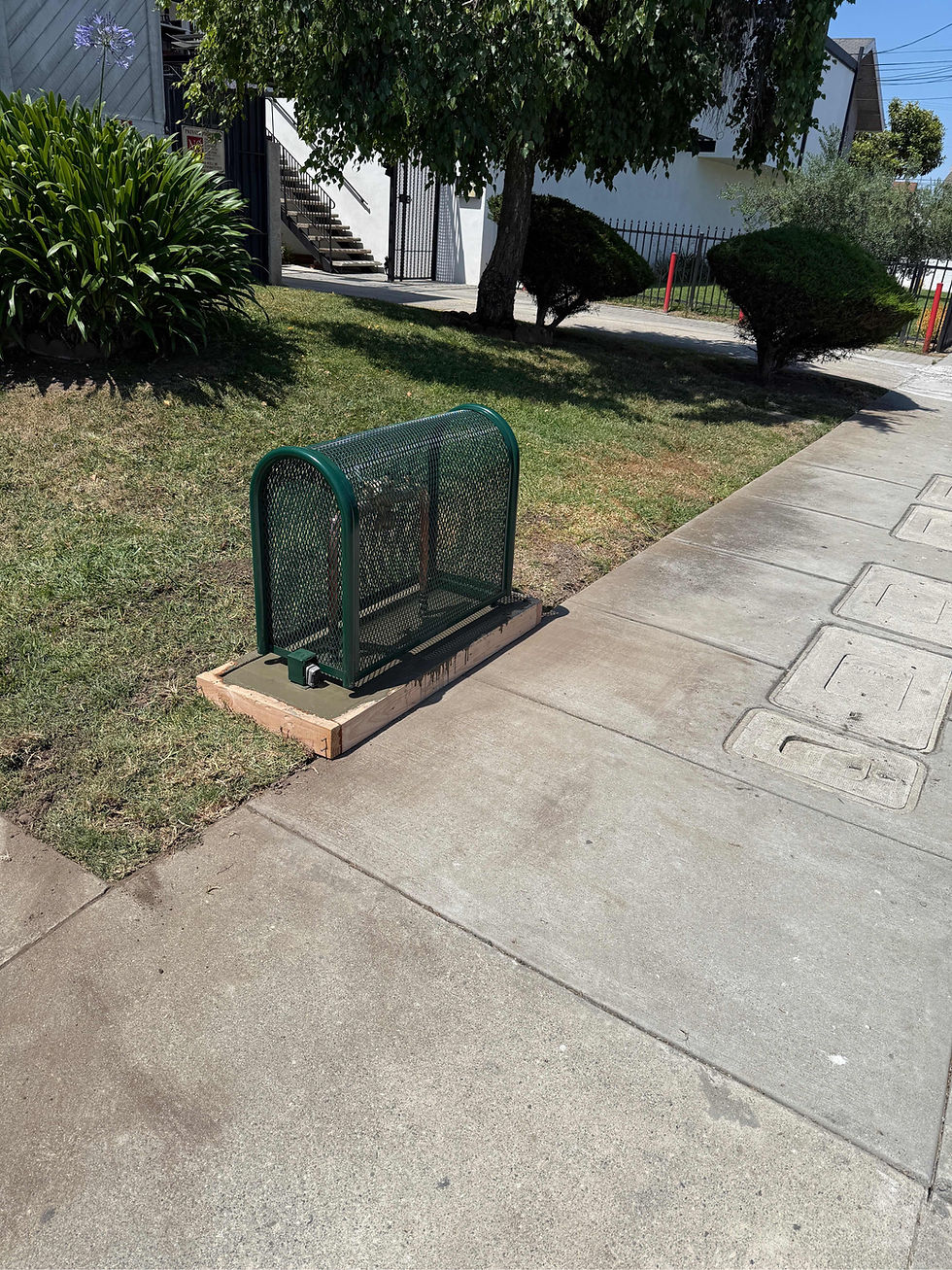
Use cages or enclosures wisely: Choose ventilated, service-friendly designs that deter theft and vandalism without trapping moisture.
Don’t paint the assembly: Paint hides corrosion and gums up test ports; use an enclosure if you want cleaner aesthetics.
Prevent cross-connections: Add hose bib vacuum breakers, maintain air gaps at fill points, and cap unused chemical injection points.
These site practices align with what our Backflow Testing Orange County experts recommends for long-term reliability and compliance.
Proactive Service Schedule That Pays Off
A little planning avoids emergencies:
Annual certified testing: Required by most Orange County purveyors. It catches weak springs, fouled checks, and creeping leaks early.
Predictive rebuilds: For high-use RPZs and DCVAs, plan a rebuild every 3–5 years—or sooner if test data trends down. Irrigation PVBs may stretch longer in clean conditions.
Documentation and submittals: Keep copies of test reports, calibration certificates (your tester will carry these), and repair notes. Organized records streamline compliance. Following this schedule is exactly what our Backflow Testing Orange County experts recommends to avoid surprise failures.
Common Mistakes to Avoid
Skipping annual tests: Minor leaks become major rebuilds—and potential fines.
DIY disassembly: Mis-seated parts can compromise protection and violate code.
Wrapping in plastic: Traps moisture; corrosion skyrockets.
Ignoring relief discharge: Continuous dripping on an RPZ means debris, pressure imbalance, or failing parts—don’t wait.
Poor landscaping: Overspray and soil contact corrode bodies and unions; redirect sprinklers and keep soil off the assembly.
These pitfalls are frequent offenders our team sees, which is why our Backflow Testing Orange County experts recommends steering clear of them.
When to Call a Pro Immediately
Continuous relief-valve discharge or sudden downstream pressure loss.
Water pooling around the device or in vaults after dry weather.
Unusual noises (chatter, banging) when fixtures or irrigation cycles run.
Discolored water at start-up on downstream fixtures.
Certified testers will diagnose, repair, retest, and file reports—saving you time and ensuring compliance.
Why Choose Atlas Backflow Services
Atlas Backflow Services focuses on keeping Orange County’s water safe and your systems worry-free:
Certified, local expertise on RPZ, DCVA, and PVB assemblies across residential, commercial, and irrigation applications.
End-to-end compliance: Annual reminders, on-time testing, digital reporting, and submittals to your water purveyor.
Longevity-first approach: Pressure stabilization, sediment control, and predictive rebuilds—the exact strategy our Backflow Testing Orange County experts recommends to minimize future problems and total cost.
Clear communication: Photo-backed findings and straightforward recommendations—no upsells you don’t need.
Take the Next Step
Minimize future backflow problems with simple maintenance plus professional oversight. Schedule your annual test or a preventive evaluation with Atlas Backflow Services.
We’ll assess pressure, sediment, enclosure, drainage, and service history—and implement the improvements our Backflow Testing Orange County experts recommends so your assembly stays compliant, efficient, and reliable all year.


Comments