


Backflow Installation Space Requirements
- bill57931
- 6 hours ago
- 4 min read

When it comes to protecting your potable water supply, backflow preventers are non-negotiable. But before you schedule an installation, there's one critical factor many property owners overlook: how much space is actually needed for proper backflow installation?
Getting this right the first time saves you from costly relocations, failed inspections, and compliance headaches down the road.
At Atlas Backflow Services, our Backflow Testing Los Angeles experts field this question almost daily from commercial property managers, restaurant owners, HOA boards, and homeowners alike.
The answer isn't one-size-fits-all, but there are clear guidelines every Los Angeles property owner should understand before installation day arrives.
Why Space Requirements Matter More Than You Think
Backflow preventers aren't just plumbing fixtures—they're life-safety devices that require annual testing, periodic repairs, and occasional replacement. The space surrounding your assembly directly impacts:
Testing accessibility for certified technicians
Compliance with LADWP, USC FCCCHR, and local code requirements
Repair feasibility without dismantling surrounding structures
Freeze and impact protection for the device itself
Our Backflow Testing Los Angeles experts have seen countless installations fail inspection simply because someone tried to squeeze a unit into a tight utility closet or buried it behind landscaping. Proper clearance isn't optional—it's mandated.
Standard Clearance Requirements for Backflow Installations
The University of Southern California Foundation for Cross-Connection Control and Hydraulic Research (USC FCCCHR), which sets the standards followed throughout California, provides specific minimum clearances that apply to most reduced pressure (RP) and double check (DC) assemblies.
Minimum Space Specifications:
Height above ground or floor: 12 inches minimum, 30 inches preferred (measured from the lowest point of the assembly)
Maximum height: 5 feet from finished grade to the highest test cock
Side clearance: 12 inches minimum on each side
Front clearance: 24 inches minimum (36 inches recommended for testing access)
Overhead clearance: 12 inches minimum above the assembly
Rear clearance: 6 inches minimum from any wall or barrier
Our Backflow Testing Los Angeles experts typically recommend exceeding these minimums whenever possible. A few extra inches now translate to faster, less invasive testing for years to come.
Space Requirements by Assembly Type
Different backflow preventer types require different footprints. Here's what to plan for:
Reduced Pressure Zone Assemblies (RPZ/RP)These are the most demanding in terms of space because they discharge water during testing and potential failure events.
Footprint: 24" to 60" in length depending on pipe size (¾" to 10")
Drainage requirement: Adequate air gap and floor drain capable of handling full discharge volume
Installation restriction: Cannot be installed in pits or below-grade vaults
Double Check Valve Assemblies (DCVA)Slightly more flexible than RPZs since they don't discharge water.
Footprint: 18" to 48" in length
Pit installation: Permitted with proper drainage and access
Clearance: Same minimum perimeter requirements apply
Pressure Vacuum Breakers (PVB) and Atmospheric Vacuum Breakers (AVB)
Common for irrigation systems throughout Los Angeles.
Height requirement: Must be installed at least 12 inches above the highest downstream outlet
Footprint: Compact, but vertical clearance is critical
Indoor vs. Outdoor Installation Considerations
Los Angeles offers favorable conditions for outdoor backflow installations year-round, but each setting comes with unique space considerations.Outdoor InstallationsWhen installing outdoors, our Backflow Testing Los Angeles experts recommend allocating a clear zone of approximately 4 feet by 4 feet around the assembly.
This zone should be:
Free of landscaping that could overgrow the unit
Protected from vehicle impact (bollards may be required in commercial settings)
Accessible without unlocking gates or moving equipment
Visible for emergency shut-off purposes
Indoor Installations
Mechanical rooms, parking garages, and utility closets each present challenges. Plan for:
A dedicated wall section of at least 6 feet wide by 5 feet tall
Floor drain within the discharge zone for RP assemblies
Adequate lighting for testing procedures
Ventilation to prevent moisture damage
Common Space-Related Mistakes to Avoid
Through thousands of inspections, our Backflow Testing Los Angeles experts repeatedly encounter the same costly errors:
Burying assemblies in landscaping – Plants grow, soil shifts, and access disappears.
Installing in inaccessible crawl spaces – Technicians need standing room to perform tests properly.
Forgetting drainage requirements – RP assemblies can discharge gallons of water during failure events.
Insufficient overhead clearance – Test gauges and tools need vertical room to operate.
Locked or restricted access – Annual testing requires reliable entry; coordinate access protocols upfront.
Special Considerations for Los Angeles Properties
The unique characteristics of Los Angeles properties—from hillside homes to dense commercial corridors—often create installation challenges.
Our Backflow Testing Los Angeles experts factor in:
Seismic considerations: Proper bracing and flexible connections
DWP-specific requirements: Some districts mandate above-ground installations
Fire department access: Critical for buildings with fire sprinkler backflow assemblies
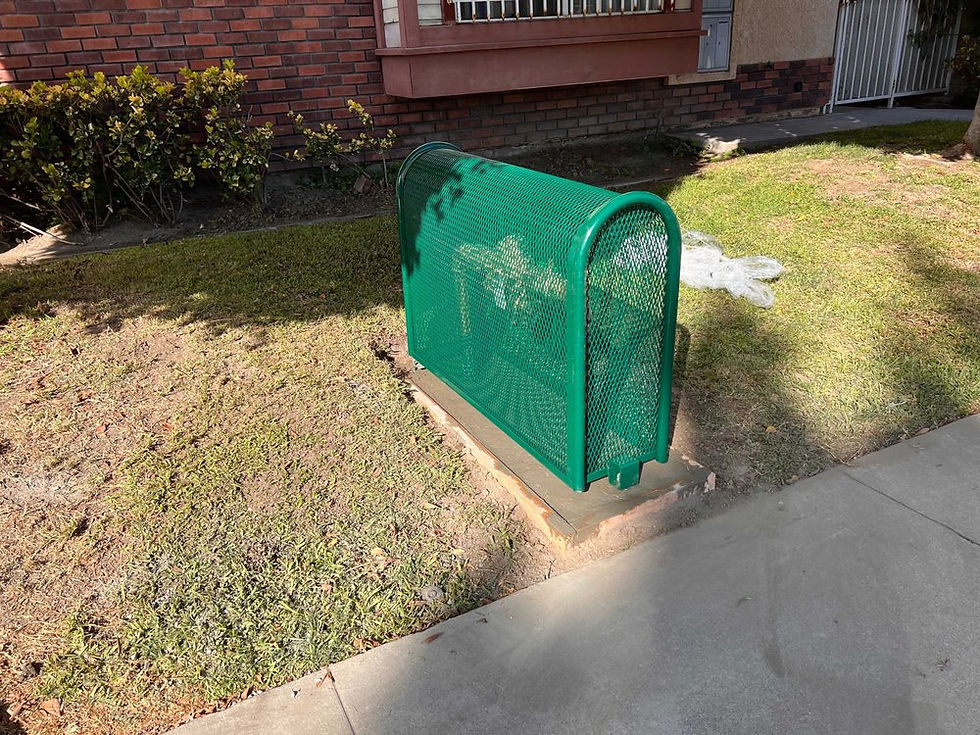
Aesthetic concerns: HOA-compliant enclosures that still allow testing access
For properties with limited space, approved hot box enclosures or ventilated cabinets can provide compliant solutions while addressing security and aesthetic concerns.
Planning Your Installation: A Quick Checklist
Before installation day, verify:
✓ Minimum 12" side and overhead clearance is available
✓ At least 24" of front working space exists
✓ Proper drainage is in place for RP assemblies
✓ Assembly will sit between 12" and 60" above grade
✓ Location is accessible without keys, ladders, or equipment removal
✓ Freeze protection is addressed (less critical in LA, but still relevant)
✓ Local water authority requirements are confirmed
Trust Atlas Backflow Services for Expert Installation
Determining the right space for your backflow assembly involves more than measuring tape—it requires understanding code, anticipating maintenance needs, and protecting your investment.
The Backflow Testing Los Angeles experts at Atlas Backflow Services bring decades of combined experience to every site evaluation, ensuring your installation passes inspection the first time and remains serviceable for years.
Whether you're planning new construction, replacing an aging assembly, or correcting a non-compliant installation, our team performs comprehensive site assessments to identify the optimal location for your backflow preventer.
Ready to plan your backflow installation? Contact Atlas Backflow Services today for a professional site evaluation.
Our Backflow Testing Los Angeles experts will walk your property, review your water authority requirements, and recommend the ideal installation location—saving you time, money, and compliance headaches down the road.


Comments