


Can Installation Mistakes Cause Backflow Test Failures?
- bill57931
- May 29
- 5 min read
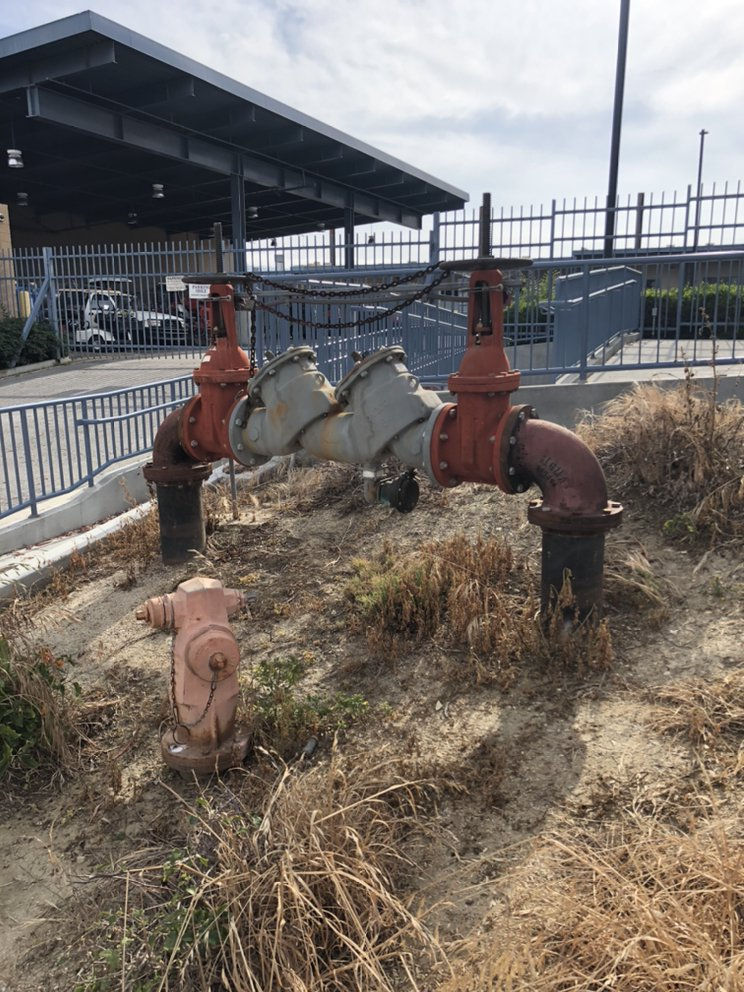
When a backflow device fails its annual test, most property owners assume the cause is age, wear, or mineral buildup. But there's another common—and often overlooked—reason backflow assemblies fail: improper installation.
Even a brand-new device installed incorrectly can fail its very first test, leaving property owners frustrated, confused, and stuck with unexpected repair costs.
At Atlas Backflow Services, our backflow testing experts in Orange County recommend taking installation just as seriously as ongoing maintenance, because the consequences of a poor install can follow you for years.
In this blog, we'll explore how installation mistakes lead to backflow test failures, the most common errors technicians find in the field, and what you can do to ensure your device is set up for long-term success.
The Connection Between Installation and Test Performance
Backflow preventers are precision mechanical devices. They rely on consistent water pressure, proper orientation, and unobstructed flow to function correctly.
When any one of these factors is off—even slightly—the device may fail to seal, fail to relieve pressure, or fail to maintain the differential required to pass certification.
Unlike a leaky faucet or a clogged drain, backflow installation errors don't always announce themselves immediately.
A device might function "well enough" for months or even years before problems surface during annual testing.
Our backflow testing experts in Orange County recommend having installations inspected by a certified backflow specialist, not just a general plumber, to catch these issues before they become compliance violations.
1. Incorrect Orientation or Flow Direction
Every backflow device has a specific flow direction marked on the body, usually with an arrow. Installing the device backward—even by accident—prevents the internal check valves and relief mechanisms from operating as designed.
Common orientation mistakes include:
Reversed flow direction during initial installation
Improper vertical or horizontal positioning (some devices are designed for one orientation only)
Tilted assemblies that don't sit level, affecting internal valve seating
When this happens, the device may not technically "leak," but it will fail pressure differential tests immediately.
Our backflow testing experts in Orange County recommend verifying flow direction at the time of installation and confirming the device's orientation matches manufacturer specifications.
2. Improper Height Above Grade
California regulations and most local water districts require backflow assemblies to be installed at a specific height above the ground—typically between 12 and 36 inches. This isn't arbitrary.
Proper height ensures:
Adequate drainage from the relief valve
Accessibility for testing and repair
Protection from flooding and debris contamination
Clearance for testing equipment
Devices installed too low can become submerged during heavy rain, leading to internal contamination and corrosion. Devices installed too high can be difficult to test and may violate code.
Our backflow testing experts in Orange County recommend always measuring height during installation and confirming compliance with both state and local water authority requirements.
3. Insufficient Clearance Around the Device
Backflow preventers need breathing room. Installation in tight spaces, against walls, or surrounded by landscaping creates problems for testing, repair, and proper drainage.
Clearance-related installation issues include:
Discharge from the relief valve hitting nearby surfaces, causing water damage
Inability to attach testing equipment to test cocks
Restricted airflow that traps moisture and accelerates corrosion
Landscaping growth that obscures or blocks the device over time
A poorly placed device may pass its initial test but become impossible to certify in subsequent years as conditions deteriorate.
Our backflow testing experts in Orange County recommend a minimum of 12 inches of clearance on all sides and at least 24 inches above the device.
4. Wrong Device for the Application
Not all backflow preventers are interchangeable. The correct device depends on the level of hazard, the type of cross-connection, and the specific water system requirements. Common installation mismatches include:
Using a double check assembly (DCA) where a reduced pressure zone (RPZ) is required
Installing a pressure vacuum breaker (PVB) in a location with back-pressure conditions
Choosing an undersized device for the system's flow demands
These mistakes often pass unnoticed during installation because the device functions on a basic level. However, they can fail testing—or worse, fail to prevent contamination during a real backflow event.
Our backflow testing experts in Orange County recommend consulting a certified specialist before purchasing or installing any backflow assembly to ensure it matches your application.
5. Poor Pipe Preparation and Debris Contamination
One of the most preventable installation mistakes is failing to flush the pipes before installing the device. Construction debris, pipe shavings, Teflon tape fragments, and sediment can lodge inside check valves and relief mechanisms, preventing proper sealing.Symptoms of debris-related installation failures include:
Continuous low-volume leaks immediately after installation
Failed first-time tests despite a brand-new device
Intermittent valve sticking during operation
Our backflow testing experts in Orange County recommend thorough line flushing before installation and using strainers or filters where appropriate, especially in older buildings or areas with aging municipal infrastructure.
6. Incorrect Use of Sealants and Fittings
Over-application of pipe dope, Teflon tape, or thread sealants is a surprisingly common cause of test failures. Excess sealant can break off into the water flow and contaminate internal components.
Similarly, using incorrect fittings—such as galvanized fittings on brass devices—can lead to galvanic corrosion that compromises the assembly within just a few years.
Mistakes in this category include:
Using too much Teflon tape that frays into the water line
Cross-threading connections, causing micro-leaks
Mixing incompatible metals at connection points
Over-tightening fittings, cracking valve bodies
7. Failure to Account for Freeze Protection
Although Orange County enjoys a mild climate, occasional cold snaps can damage improperly installed devices. Outdoor backflow assemblies installed without insulation, freeze blankets, or proper drainage can crack overnight during a winter freeze.
Once a device freezes and cracks, it almost always fails its next test—and often requires complete replacement rather than repair. Our backflow testing experts in Orange County recommend installing freeze protection from day one rather than waiting until winter approaches.
8. Skipping the Initial Certification Test
Every newly installed backflow device must be tested and certified before it's considered compliant. Some installers skip this step, assuming a new device automatically passes. This is a serious mistake. Initial certification confirms that the device:
Was installed correctly
Is functioning as designed
Meets local water district requirements
Has documented baseline performance for future comparison
Without this initial test, hidden installation errors go undetected until the next annual test—sometimes a full year later.
How to Avoid Installation-Related Test Failures
The best way to prevent installation mistakes is to hire qualified, certified professionals from the start. Our backflow testing experts in Orange County recommend:
Choosing AWWA-certified backflow specialists for installation
Verifying the installer is licensed in California and familiar with local water district rules
Requesting a post-installation certification test before signing off on the job
Keeping complete documentation of the install, including device model, location, and test results
Scheduling annual testing with the same provider for consistency
Trust Atlas Backflow Services for Expert Installation and Repair
Installation matters. A device installed correctly today is one that passes tests, stays in compliance, and protects your water supply for years to come.
At Atlas Backflow Services, our certified technicians install, test, and repair backflow assemblies throughout Orange County with the precision and expertise your property deserves.
If you suspect your backflow device was installed incorrectly—or if you're planning a new installation and want it done right the first time—contact Atlas Backflow Services today. We'll inspect, test, and certify your assembly so you can stop worrying about test failures and focus on what matters most.


Comments