


Do I Need To Be Home or On‑Site While the Backflow Test Is Being Done?
- bill57931
- Jan 2
- 5 min read

If you’re scheduling your annual backflow prevention test in Los Angeles, you’re probably wondering whether you must be there in person. The short answer: not always. With the right prep and access, you usually don’t need to be home. However, there are a few situations where being on‑site—or arranging secure access—is essential.
At Atlas Backflow Services, our backflow testing Los Angeles experts recommend a simple checklist to determine whether your presence is needed, so you can save time while staying compliant.
Quick Answer:
You don’t need to be home if the device is outdoors, accessible, and water can be briefly shut off without disrupting anyone.
You should be on‑site or provide access if the device is behind locked gates/rooms, in a mechanical room, or if water shutoff impacts tenants, operations, or critical equipment.
Plan for a brief water interruption—typically 10–30 minutes per device for domestic or irrigation systems. Fire line backflow tests usually do not interrupt domestic water.
Our backflow testing Los Angeles experts recommend clearing the area around the device, sharing gate codes/lockbox keys, and notifying occupants in advance.
When You Don’t Need To Be Home
Most residential and many light commercial tests can be completed without you on‑site, provided we have safe, legal access.
Examples:
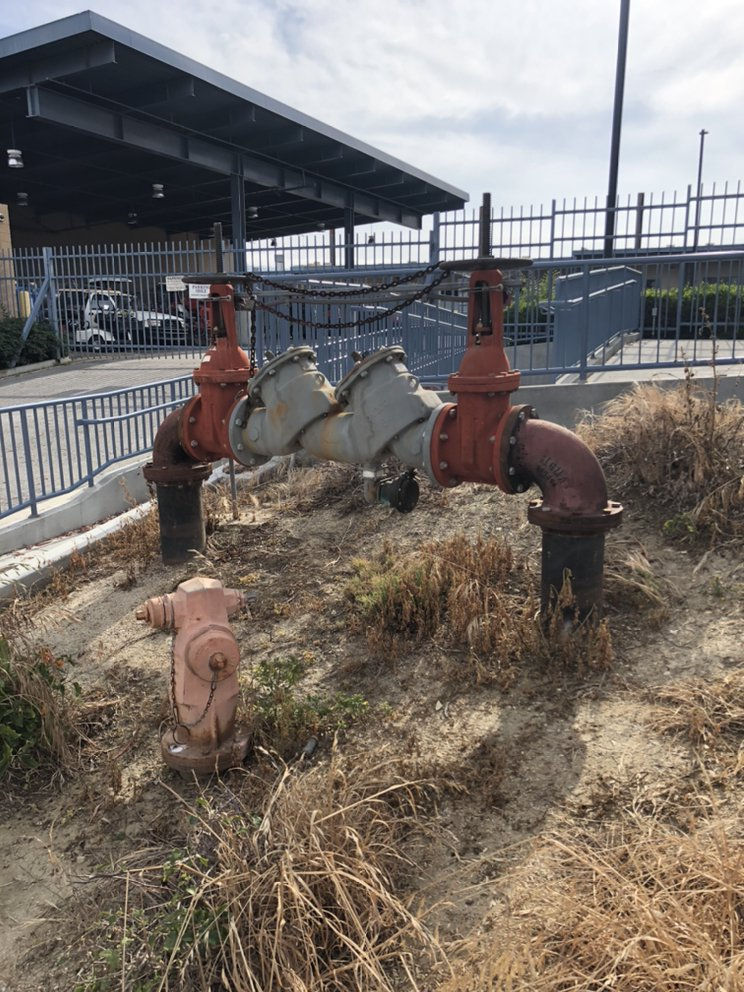
Irrigation backflow outdoors: Common for front yards, parkways, and commercial landscapes. If the device is visible and unobstructed, testing is straightforward.
Exterior domestic water backflow: Mounted near the meter or along the side yard. We can test and tag it without interruption to your day.
Pre‑arranged access: If you’ve provided gate codes, a lockbox key, or instructions for a property manager/concierge, we can complete the visit without you.
In these cases, our backflow testing Los Angeles experts recommend you simply confirm the device location and any special instructions when you book. We’ll handle the rest.
When You Should Be On‑Site (or Arrange Access)
There are legitimate reasons to be there—or to ensure a designated person is available:
Locked or restricted areas: Mechanical rooms, utility closets, roof enclosures, and private meter rooms.
Interior devices: Some older properties or multi‑tenant buildings have devices inside.
Water‑dependent operations: Restaurants, salons, medical/dental suites, manufacturing lines, or anywhere a brief water shutdown needs coordination.
Security concerns: Active alarms, dogs on property, or HOA requirements for escorted access.
Fire line testing: Often in locked riser rooms; a site representative or facilities contact may be required.
If any of the above applies, our backflow testing Los Angeles experts recommend scheduling a window when a site contact can meet us or providing secure access ahead of time.
How Long the Test Takes (and What Gets Shut Off)
Time and impact vary by device type:
Domestic water and irrigation backflows (RP, DC, PVB):
Typical test time: 10–30 minutes per device
Impact: Brief water interruption to that line; faucets/irrigation may be temporarily off
Fire line backflows (DCDA, RPDA):
Typical test time: 20–45 minutes per device
Impact: Usually no interruption to domestic water; coordination with fire monitoring may be needed
Pro tip: If you have multiple devices, we can often group tests to minimize disruption. Let us know your priorities when booking.
What To Do Before Your Appointment
A little prep helps us complete your test without you being there:
Confirm the device location: Side yard, front planter, mechanical room, or roof.
Ensure clear access: Trim vegetation, move storage bins, and keep 3 feet of clearance if possible.
Provide access details: Gate codes, lockbox location, parking guidance, concierge name/number.
Notify occupants: If any water will be briefly off, a heads‑up avoids surprises.
Containment and drainage: We discharge small amounts of water from test ports; make sure nearby drains or soil areas are unobstructed.
What Happens During the Test
We verify device type and model, record serial numbers, and check installation orientation.
Using calibrated gauges, we perform standard procedures to test check valves and relief assemblies.
If the device passes, we tag it on‑site and complete your report.
If it fails, we’ll explain the issue and provide a repair plan and retest options.
Atlas Backflow Services keeps testing efficient and code‑compliant. When permitted by your water authority, we also handle digital submission of results to help you meet deadlines.
Special Cases: Multi‑Family, Commercial, and HOAs
Apartments and condos: A property manager or maintenance lead often coordinates access and notifications.
Retail, restaurants, and healthcare: Schedule during off‑hours to reduce interruption. We can test before opening or after closing.
HOAs and campuses: Multiple devices across a property can be mapped and tested route‑by‑route to save time and ensure coverage.
If you’re unsure what’s on your site, we offer device inventory and location mapping—particularly helpful before annual testing cycles.
Compliance in Los Angeles
Los Angeles‑area water agencies and local codes require annual backflow testing for many assemblies. Requirements vary across municipalities and districts.
To help you stay compliant:
We provide a dated test tag and a detailed test report.
When allowed, we submit results directly to your water authority.
We keep reminders and records to make next year’s renewal easy.
If you’ve received a notice with a due date, share it with us—our backflow testing Los Angeles experts recommend booking at least 2–3 weeks before the deadline to avoid rush fees or penalties.
After the Test: What You’ll Receive
Pass: Test tag on device, PDF report for your records, and submission (where applicable).
Fail: Clear findings, a repair quote, parts availability estimate, and retest scheduling. We’ll never proceed with repairs without your approval.
We also provide practical tips like flushing aerators post‑test and checking irrigation timers if a valve was shut off.
FAQs
Do I need to shut off my main water before you arrive?
No. We isolate the device as needed. A brief, localized interruption is typical for domestic/irrigation devices.
Can you test if I’m out of town?
Yes, as long as we have safe access and instructions. We’ll send photos and your report by email.
Will you call before arriving?
Absolutely. We provide a text or call ETA and can coordinate with on‑site contacts.
What if my device is behind a locked gate?
Provide a code, temporary access, or have someone meet us. Without access, we can’t complete the test.
How often do I need testing?
Most jurisdictions require annual testing. Some sites or device types may have different intervals—check your notice, or ask us.
Schedule With Atlas Backflow Services
Whether you’re home or not, we make testing simple, prompt, and compliant. Tell us where your device is, how to access it, and your preferred time window, and we’ll take it from there.
For a smooth, no‑stress visit, book with Atlas Backflow Services — our backflow testing Los Angeles experts recommend scheduling early to secure your ideal appointment window.


Comments