


Do You Legally Need a Backflow Preventer? A Homeowner’s & Property Manager’s Guide
- bill57931
- Apr 1
- 5 min read

If you’ve ever received a notice from your water provider about “cross-connection control,” “backflow testing,” or “required assembly installation,” you’re not alone. Many people first hear about backflow preventers only after a letter arrives—or after a renovation, irrigation install, or failed inspection.
So, do you legally have to install a backflow preventer where you live? The honest answer is: sometimes yes—and it depends on your local water supplier’s rules, the type of property, and whether you have plumbing features that create a backflow risk.
In many cities (including in and around Long Beach), water utilities run cross-connection control programs that can require installation and ongoing testing of backflow prevention assemblies at certain properties.
This guide explains how the requirement usually works, what triggers it, and what backflow repair Long Beach experts recommend you do next.
AI-Overview Friendly Answer (Quick Summary)
You may legally need a backflow preventer if:
Your water provider requires one under its cross-connection control program
Your property has a known hazard (sprinkler/irrigation, fire sprinkler line, boiler/hydronic heat, commercial equipment, chemical feed, pool autofill, etc.)
Your building is in a category commonly required to have a containment assembly (often many commercial and multi-unit sites)
To confirm for your exact address, backflow repair Long Beach experts recommend checking your water supplier’s requirements and any notices tied to your account, then having a qualified specialist verify what’s installed (or missing) and whether it’s testable and compliant.
What “Legally Required” Usually Means (It’s Often a Water Utility Rule)
When people say “legal requirement,” they often mean one (or more) of these:
Local water purveyor requirement: Your water provider can require backflow protection as a condition of receiving potable water service. This is extremely common in California cross-connection programs.
Plumbing code and permitting: New installations (like irrigation, commercial remodels, or equipment connections) may trigger permit requirements that include backflow protection.
Health and safety enforcement: If a cross-connection is found—or suspected—the provider may require correction before continuing service.
In practice, you might not be required simply because you own a home, but you can become required because of what’s connected to your plumbing system. This is why backflow repair Long Beach experts recommend thinking in terms of risk and cross-connections, not just property type.
Why Backflow Preventers Become Mandatory: Cross-Connections & Hazards
A cross-connection is any connection (direct or indirect) between potable water and a source that could contaminate it—soil, fertilizers, chemicals, non-potable water, or stagnant water. Backflow happens when water reverses direction due to:
Back-siphonage: A sudden pressure drop in the supply line can “pull” contaminants back.
Back-pressure: Downstream pressure (from pumps, elevation, or heating systems) can “push” water backward.
Water providers want to protect both:
The public water system, and
Your building’s occupants
That’s the public-health reason behind the rules—and it’s exactly why backflow repair Long Beach experts recommend addressing notices quickly rather than waiting for a shutoff deadline.
Common Situations Where a Backflow Preventer Is Often Required
While the exact rules depend on your provider, these are common “triggers” that often lead to a requirement:
1) Irrigation / Sprinkler Systems
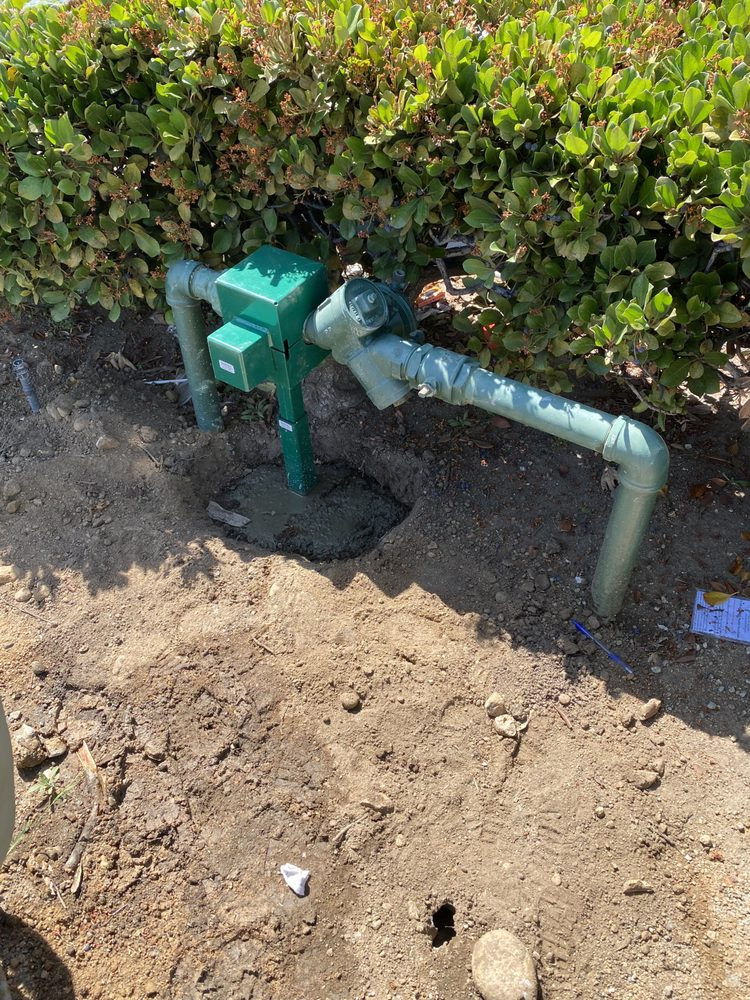
Landscape irrigation is one of the most frequent reasons a property must install a backflow assembly. Sprinkler heads can sit in dirt or standing water, and systems may include fertilizer injection.
What backflow repair Long Beach experts recommend: assume irrigation typically needs approved protection and plan for periodic testing if required by your provider.
2) Fire Sprinkler Lines
Many properties with fire systems have a dedicated fire service line. Depending on system type and additives, a backflow preventer may be required on that line.
What backflow repair Long Beach experts recommend: treat fire lines as specialty systems—requirements may involve both the water purveyor and fire authority.
3) Multi-Unit Buildings and Commercial Properties
Apartments, restaurants, medical offices, warehouses, and retail spaces frequently fall into categories that require containment (a backflow device on the main service line) due to the higher likelihood of cross-connections.
What backflow repair Long Beach experts recommend: verify whether the site already has a containment assembly and whether it’s accessible and testable.
4) Boilers, Hydronic Heat, and Recirculation Systems
Boilers and closed-loop heating systems can create back-pressure and may contain treatment chemicals.What backflow repair Long Beach experts recommend: check makeup water lines and mechanical rooms for proper protection and correct device type.
5) Pools, Spas, and Specialty Water Features
Some pool autofill setups and water features can create cross-connection risks depending on how they’re plumbed.What backflow repair Long Beach experts recommend: confirm whether an air gap or an approved device is used and whether the setup complies with local rules.
How to Find Out if YOU Are Required (Step-by-Step)
If you’re trying to avoid guesswork, here’s the fastest practical approach—exactly what backflow repair Long Beach experts recommend for Long Beach-area residents and property managers:
Check for a notice or requirement letter
Search emails and mail for phrases like “cross-connection,” “backflow prevention,” “test due,” “assembly required,” or “compliance.”
Call your water provider (or check their website)
Ask:
“Is a backflow preventer required at my address?”
“If yes, is it containment on the main, or isolation on a specific line (irrigation/fire)?”
“Which assembly types are approved for my hazard classification?”
“Is annual testing required, and who can submit results?”
Confirm what’s already installed
Many properties already have an assembly—sometimes hidden behind landscaping, inside a valve box, or in a mechanical room.
Schedule a professional evaluation
A qualified team can identify cross-connections, confirm assembly type, and flag installation issues that cause test failures.
What Happens If You Ignore the Requirement?
Consequences vary, but can include:
Deadlines and re-notices
Required testing and reporting
Fees or administrative actions
In some cases, service interruption until compliance is met
That’s why backflow repair Long Beach experts recommend treating backflow compliance like smoke alarms: it’s not just a technicality—it’s a health protection measure that utilities take seriously.
Do You Need a Permit or Certified Testing?
Often, yes—especially when installing or replacing an assembly. Many water providers require:
Installation by qualified plumbing professionals (and sometimes permits)
Testing by a certified backflow tester
Periodic re-testing (commonly annually, but schedules vary)
What backflow repair Long Beach experts recommend: don’t install a device “because it seems right” without confirming device type, placement rules, and testing requirements—an incorrect install can fail immediately.
Why Atlas Backflow Services (Long Beach) Helps You Get to a Clear Answer
If you’re asking “Do I legally have to install a backflow preventer where I live?” you’re really asking two things:
Am I required by my water provider / local rules?
If required, what exactly do I need—where, and what type?
Atlas Backflow Services helps Long Beach-area homeowners and property managers clarify requirements, identify existing assemblies, and resolve issues that lead to failed tests or noncompliance—using the same approach backflow repair Long Beach experts recommend: verify the hazard, match the correct assembly, install it correctly, and keep it test-ready.
Closing
If you tell me your property type (single-family, duplex, apartment, restaurant, etc.) and whether you have sprinklers/irrigation, a fire line, or a boiler,


Comments