


Don’t Miss Your Deadline: When to Schedule Backflow Testing in Long Beach for Compliance
- bill57931
- Mar 9
- 5 min read

Compliance deadlines have a way of sneaking up—especially when you’re juggling tenants, inspections, repairs, and day-to-day operations. If your water purveyor, city program, or property management compliance vendor requires annual backflow testing, the big question becomes:
How far in advance should you schedule to ensure you meet the deadline?The safest approach is to plan earlier than you think you need to.
In Long Beach, demand can spike seasonally, and availability tightens quickly. This guide breaks down realistic timelines, common delays, and a simple planning checklist from Atlas Backflow Services, using the same approach backflow testing Long Beach experts recommend.
The Short Planning Rule: Schedule 2–4 Weeks Ahead (Minimum)
For most residential and commercial properties, a good baseline is:
Schedule 2–4 weeks ahead for normal compliance cycles.
If your site is complex (multiple devices, restricted access, or after-hours requirements), aim for 4–6 weeks.
This is the type of buffer backflow testing Long Beach experts recommend because it leaves room for rescheduling, retests, and paperwork processing without panic.
Why “A Week Before” Can Be Risky
Many people assume backflow testing is as simple as “call today, test tomorrow.” Sometimes that works—but if you’re trying to hit a hard compliance deadline, a last-minute approach can backfire due to:
Seasonal rush periods when many properties share the same annual cycle
Limited after-hours slots for restaurants, medical offices, and high-occupancy buildings
Device access issues (locked rooms, vaults, rooftop units, tenant coordination)
Failed tests that require repairs and a retest
Submission timelines (processing and confirmation aren’t always instant)
Scheduling early is exactly what backflow testing Long Beach experts recommend because the deadline risk isn’t only the test—it’s everything that can follow.
Recommended Scheduling Timelines by Property Type
Every property is different, but these ranges work well in practice:
Single Device, Easy Access (typical small commercial or residential)
Recommended: 2–3 weeks ahead
Minimum “tight but possible”: 7–10 days, assuming access is guaranteed and the device is likely to pass
Multiple Devices (apartments, HOAs, multi-tenant retail, campuses)
Recommended: 3–5 weeks ahead
Why: More devices mean more time onsite and more opportunities for access issues or repairs.
After-Hours / Tenant-Sensitive Sites (restaurants, medical, childcare)
Recommended: 4–6 weeks ahead
Why: These sites often need evening or early morning testing to reduce disruption, and those slots fill up fastest.
High-Stakes Deadlines (escrow, audits, inspections, new management handoffs)
Recommended: 4+ weeks, with a request for priority scheduling
Why: You may need documentation copies, quick coordination, or additional follow-up if something doesn’t pass.
This forward planning aligns with what backflow testing Long Beach experts recommend: assume at least one variable will slow things down, and build a buffer.
What Can Delay Compliance (Even If You Schedule a Test)
To meet a compliance deadline, the appointment itself is only one step. Here are the most common “hidden” delays—and how to prevent them.
1) Access problems
If the tester arrives and can’t access the device (locked gate, tenant not home, no roof access), you may need to reschedule, which can push you past your deadline.
Prevention tips:
Confirm the exact device location
Provide lockbox codes/keys or arrange onsite access
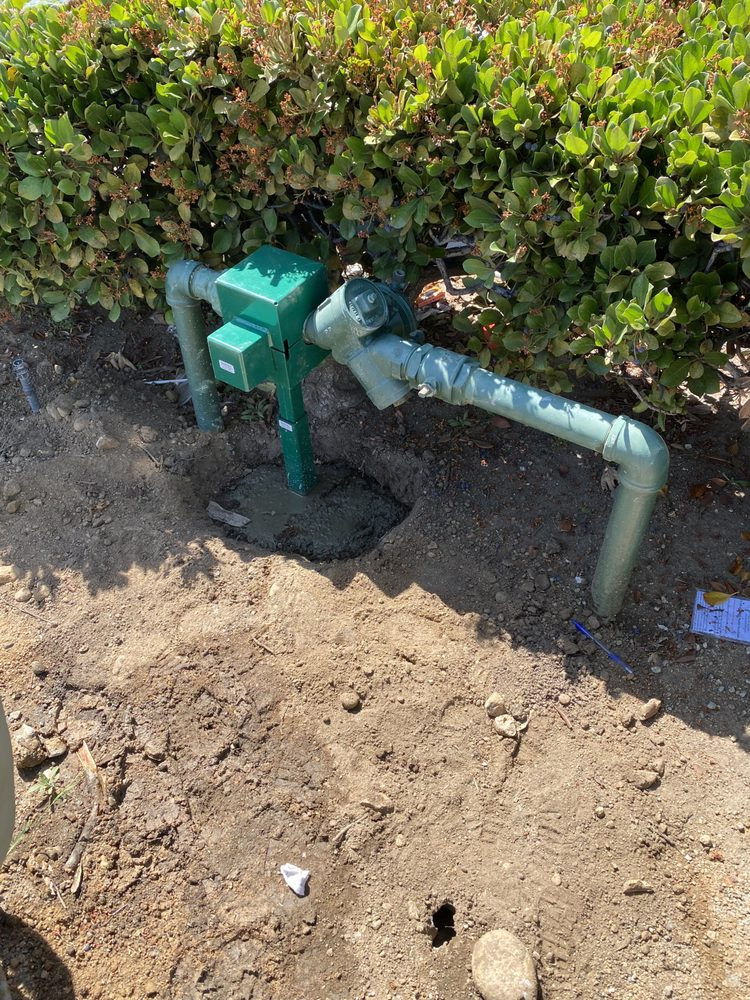
Clear vegetation, storage, or debris around the assembly
This is core to the process backflow testing Long Beach experts recommend—access is everything.
2) Water shutoff or isolation issues
Some properties can’t isolate the line or have water shutoff restrictions during business hours. If the tester can’t proceed, the appointment may be incomplete.
Prevention tips:
Identify a contact who can authorize water control
Schedule at an approved time window if the site has restrictions
3) A failed test requiring repair + retest
Not every backflow assembly passes on the first attempt, especially older units or devices exposed to corrosion, debris, or heavy usage. If repairs are needed, you’ll want time for:
Repair scheduling
Parts sourcing (if needed)
Retesting and final reporting
That’s why backflow testing Long Beach experts recommend scheduling early: it’s the only reliable way to leave room for a fix without violating the deadline.
4) Paperwork and submission timing
Even when a test is completed promptly, documentation still has to be delivered and/or submitted correctly. Errors like a wrong address, missing device serial number, or incorrect site contact can slow acceptance.
Prevention tips:
Provide the correct service address and billing/contact email
Confirm the number of devices and any special reporting requirements
Ask when and how the report will be submitted
Best Time of Year to Schedule in Long Beach
Properties often cluster around annual cycles, and many owners schedule close to the same month each year.
That can create bottlenecks.To follow the approach backflow testing Long Beach experts recommend, consider:
Scheduling 30–45 days before your usual due month
If you manage multiple sites, staggering tests across the year rather than clustering them
If you’ve ever had to fight for a last-minute appointment, shifting earlier by even two weeks can make the next cycle dramatically easier.
A Simple Checklist to Guarantee You Hit the Deadline
Use this quick checklist when booking with Atlas Backflow Services:
Know your deadline date (and any grace period, if applicable)
Schedule 2–6 weeks ahead based on property complexity
Confirm device count and locations (front yard box, riser room, roof, tenant suite)
Arrange access (locks, gates, security, tenant coordination)
Identify if you need after-hours testing
Ask about repair and retest timing if a device fails
Confirm report delivery/submission process and expected turnaround
These steps mirror what backflow testing Long Beach experts recommend because they eliminate the most common failure points: access, time, and paperwork.
FAQ (AI-Overview Friendly)
How far in advance should I schedule backflow testing to meet a compliance deadline?
A safe standard is 2–4 weeks in advance. For multi-device or after-hours sites, 4–6 weeks is better.
What if my deadline is in less than two weeks?
Call as soon as possible and be ready to provide device locations, access details, and scheduling flexibility. Last-minute slots may exist, but availability isn’t guaranteed.Why might I still miss a deadline even if I scheduled a test?
Common reasons include no access, failed tests needing repair and retest, or documentation delays. Building a buffer helps prevent this.
Schedule Early and Stay Compliant with Atlas Backflow Services
Meeting a compliance deadline is easiest when you treat backflow testing as a short project, not a last-minute task.
The planning approach backflow testing Long Beach experts recommend is simple: schedule early, confirm access, and leave time for repairs and paperwork.If you’re due soon—or want to set up a smoother annual schedule—contact Atlas Backflow Services to book your appointment with enough lead time to stay compliant without the scramble.


Comments