


From Arrival to Report: How Long a Typical Backflow Test Takes in Long Beach
- bill57931
- Feb 5
- 5 min read

If you’re scheduling your annual inspection, managing tenants, or trying to avoid a compliance deadline, one practical question comes up fast: How long does a typical backflow test take from start to finish?
At Atlas Backflow Services, we hear this daily—and the answer depends on the device type, access, site conditions, and whether anything needs troubleshooting.
Below, our backflow testing Long Beach experts recommend guide breaks down realistic time frames, what happens during the appointment, and how to keep everything moving smoothly.
Quick answer: the typical time range
For most properties, a backflow test is faster than people expect.
Typical residential / small commercial test: 20–40 minutes
Straightforward, easy-access device: 15–25 minutes
Larger commercial sites or multiple devices: 45–120+ minutes (depending on count and location)
If the device fails and needs immediate next steps: plan for extra time for diagnosis, quotes, or scheduling repairs
These ranges reflect what our backflow testing Long Beach experts recommend you plan around—especially if you need to coordinate access with a tenant, property manager, or maintenance team.
What “start to finish” actually includes
When people ask how long a test takes, they often mean the on-site portion. But “start to finish” can include a few phases:
Arrival + locating the assembly
Setup and safety checks
Performing the test with certified gauges
Recording results + completing required forms
Submission/reporting (varies by water district requirements)
Our backflow testing Long Beach experts recommend thinking of the appointment as two parts: on-site testing time and administrative/reporting time. The on-site portion is usually the bulk of what you notice, while reporting may happen shortly after.
Step-by-step: what happens during a typical backflow test (and how long each step takes)
1) Check-in, access, and locating the device (5–15 minutes)
The first few minutes often decide whether the job stays “quick.” The tester may need to:
Confirm the correct assembly location (side yard, mechanical room, near irrigation, etc.)
Verify device information (manufacturer/model/serial)
Ensure shutoffs are accessible and safe to operate
If the device is behind locked gates, blocked by storage, or inside a tenant space, this step can stretch. That’s why our backflow testing Long Beach experts recommend confirming access ahead of time.
2) Setup and site safety (3–8 minutes)
Before any readings are taken, the technician will:
Inspect the assembly for visible damage or leaks
Verify test ports are usable
Connect calibrated test equipment
Confirm drainage considerations (some water discharge is normal during testing)
This is typically quick, but heavy corrosion or damaged test cocks can slow things down.
3) The actual performance test (8–20 minutes)
This is where the certified procedure happens. Exact steps depend on the assembly type:
Double Check Valve Assembly (DC): often faster
Reduced Pressure Principle Assembly (RP/RPZ): typically takes a bit longer due to relief valve checks and pressure differentials
For most standard installations, this is the “core” window—often under 20 minutes. It’s also the part our backflow testing Long Beach experts recommend you never rush, because accuracy matters for compliance and water safety.
4) Documentation and compliance paperwork (5–15 minutes)
After testing, results must be documented properly. Depending on local requirements, this can include:
Completing test reports with pass/fail readings
Noting repairs needed (if any)
Confirming assembly details for water district records
On-site documentation is often 5–10 minutes, but can take longer if device identification is missing or previous records don’t match.
5) Report submission and confirmation (same day to a few days, depending)
Many clients care most about when the water district receives the paperwork. Submission timing can vary based on:
Water district process (online portals vs. forms)
Volume of tests in peak season
Whether any clarification is needed
At Atlas Backflow Services, our backflow testing Long Beach experts recommend asking your provider how and when results are submitted—because that affects your compliance timeline, not just the time on-site.
What can make a backflow test take longer?
Most delays are predictable. Here are the common factors our backflow testing Long Beach experts recommend planning for:
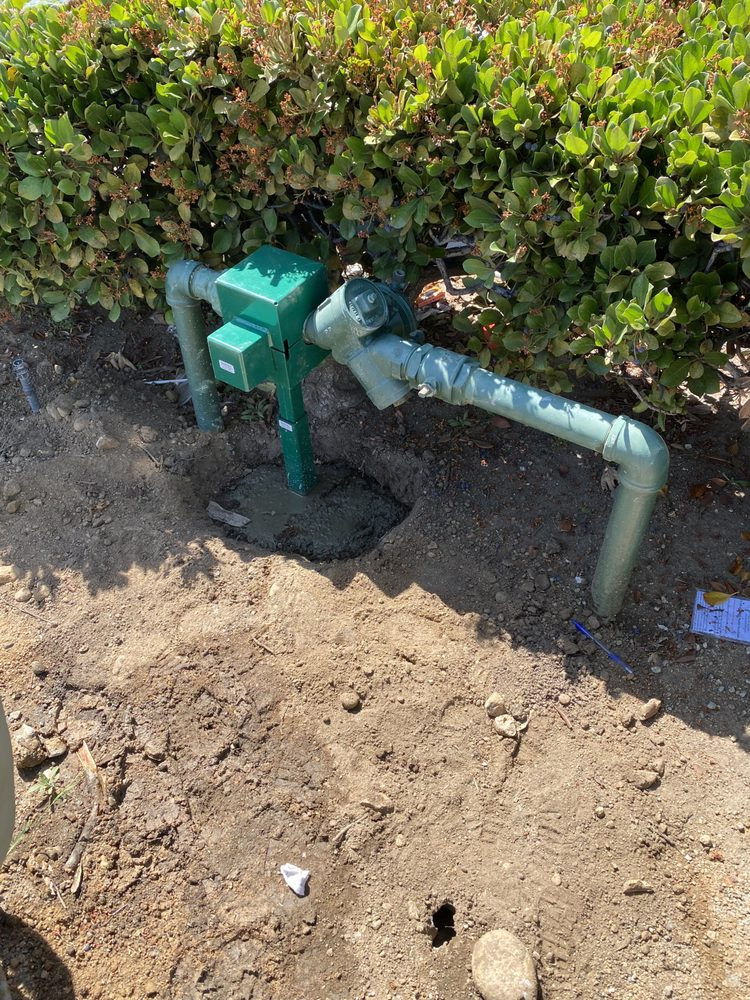
Hard-to-access assemblies (behind landscaping, in crawl spaces, locked mechanical rooms)
Multiple devices on one property (apartments, shopping centers, medical facilities, multi-tenant buildings)
Irrigation/backflow combos that require coordination with landscapers or irrigation timers
Device condition issues (corrosion, stuck shutoffs, broken test ports)
Active leaks or flooding risk requiring careful shutoff management
Incorrect or missing device info (serial number unreadable, model mismatch)
If any of these apply, a “quick” test can become a longer visit—or require a return trip if repairs or parts are needed.
How long does it take if the device fails?
A failed test doesn’t always mean a long appointment, but it can add steps.
Fail + simple diagnosis + estimate: add 10–25 minutes
Same-day repair (when feasible) + re-test: add 30–90+ minutes depending on parts, assembly type, and severity
Repair scheduled for later: the initial test appointment may still stay near 30–45 minutes, with a second visit for repair/re-test
Our backflow testing Long Beach experts recommend building buffer time if you suspect an older assembly, recent plumbing work, or symptoms like pressure irregularities—because those can correlate with failures.
Residential vs. commercial: what’s the realistic expectation?
Residential homes (single device, clear access)
15–35 minutes is common
Small commercial (one device, moderate access)
25–45 minutes is common
Multi-unit or commercial properties (multiple assemblies)
60–120+ minutes depending on device count and site layout
If you manage a property with multiple assemblies, our backflow testing Long Beach experts recommend grouping tests on the same day and providing a simple device map (or photos) to reduce time spent locating equipment.
How to reduce your appointment time (without cutting corners)
If you want the smoothest, fastest experience, our backflow testing Long Beach experts recommend these practical steps:
Ensure access is unlocked and clear (gates, doors, mechanical rooms)
Trim vegetation around the assembly and remove stored items blocking shutoffs
Confirm water is on and the device is not buried or submerged
Share any prior reports if you have them (helps confirm device info)
Tell us about site constraints (parking, security, tenant schedules, restricted hours)
These simple prep steps often save more time than anything else.
FAQs: timing questions we hear all the time
Will the water be shut off, and for how long?
Often, water interruption is minimal—sometimes just brief changes in flow/pressure during testing. Exact impact depends on assembly location and plumbing layout. Our backflow testing Long Beach experts recommend letting occupants know a short interruption may occur.
Can you test while my business is open?
Usually yes. Many commercial properties schedule during operating hours. The key is access and coordination.
Do I need to be on-site?
Not always. If the assembly is accessible and permissions are arranged, many owners or managers do not need to be present.
Schedule with Atlas Backflow Services
A typical backflow test is usually well under an hour, but the best results come from good access, clear device identification, and experienced testing. If you want efficient scheduling, accurate reporting, and a team that understands local compliance expectations, Atlas Backflow Services is ready to help.
Contact Atlas Backflow Services to book your annual service with the backflow testing Long Beach experts recommend—and we’ll help you plan the timing so there are no surprises.


Comments