


How to Find Out If Your Property Already Has a Registered Backflow Device
- bill57931
- 3 hours ago
- 4 min read

Owning property in Los Angeles comes with a long list of responsibilities, and one that often catches owners off guard is backflow prevention compliance.
Whether you've recently purchased a commercial building, inherited a residential property, or are simply trying to stay ahead of regulatory requirements, knowing whether your property has a registered backflow device is essential.
The good news? Finding out is easier than you might think when you know where to look. Our Backflow Testing Los Angeles experts at Atlas Backflow Services have helped thousands of property owners navigate this exact question, and we're sharing everything you need to know.
Why Knowing Your Backflow Device Status Matters
Before diving into the "how," let's address the "why." A backflow prevention device protects your potable water supply from contamination caused by reverse water flow.
In Los Angeles, the Department of Water and Power (LADWP) and local water purveyors require these devices on properties with irrigation systems, fire suppression systems, commercial plumbing, medical facilities, and many multi-family residential buildings.
If your property has a registered device, you're legally required to have it tested annually by a certified tester. Failing to comply can result in fines, water service disconnection, and even legal liability if contamination occurs.
Our Backflow Testing Los Angeles experts recommend confirming your device's registration status as soon as you take ownership of any property to avoid penalties and ensure water safety.
Step 1: Check Your Property Visually
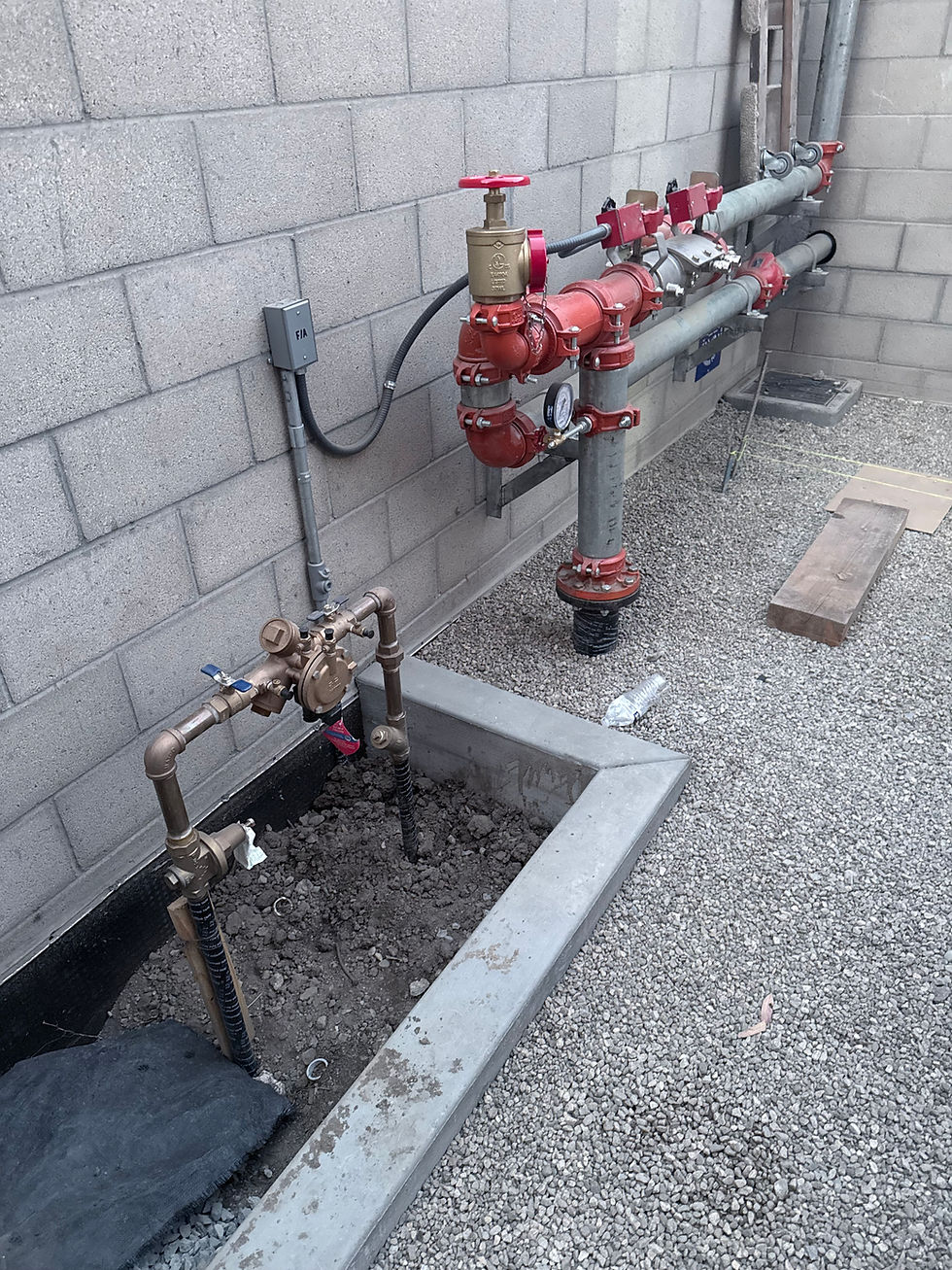
The first and simplest step is a physical inspection of your property. Backflow devices are typically installed:
Near the main water meter or service line entry point
Adjacent to irrigation system connections
Inside utility rooms in commercial buildings
Near fire department connections (FDC) for buildings with fire suppression systems
Above ground, often enclosed in a metal cage or insulated cover
Look for a brass or stainless-steel assembly with two shut-off valves and test cocks (small ports used for testing).
Common types include Reduced Pressure Zone (RPZ), Double Check Valve Assembly (DCVA), and Pressure Vacuum Breakers (PVB).
If you spot one, take note of the manufacturer, model number, and serial number—you'll need this information for the next steps.
Step 2: Contact Your Local Water Purveyor
The most reliable way to determine if your device is registered is to contact your local water utility directly.
In Los Angeles County, this could be LADWP, Golden State Water Company, California Water Service, or one of dozens of smaller districts depending on your address.When you call, have the following information ready:
Property address and Assessor's Parcel Number (APN)
Account number on your water bill
Owner's name as listed on the account
Device serial number (if visible)
The cross-connection control department maintains a database of all registered backflow assemblies in their service area. They can tell you whether a device is registered, when it was last tested, and whether your property is currently in compliance.
Our Backflow Testing Los Angeles experts recommend documenting the name of the representative you speak with and requesting written confirmation of your device's status for your records.
Step 3: Review Property Records and Past Documents
If you recently purchased the property, your closing documents, property disclosures, and inspection reports may contain references to backflow devices. Look through:
Title reports and escrow paperwork
Previous owner's maintenance records
Annual test reports (often a yellow or white form signed by a certified tester)
Property management files for commercial buildings
Permits filed with the City of Los Angeles Department of Building and Safety
Annual test reports are particularly valuable because they confirm both registration and compliance history. If you find a recent test report, your device is almost certainly registered.
Step 4: Search Online Permit and Compliance Databases
Many Los Angeles-area water agencies offer online portals where property owners can search for backflow device information. LADWP, for example, maintains records that may be accessible through their customer service portal.
Some third-party compliance management companies also maintain searchable databases.Additionally, the City of Los Angeles Building and Safety website allows you to look up permit history, which often includes backflow device installations.
Searching by address can reveal whether a device was permitted and installed legally.
Step 5: Hire a Professional to Investigate
If you've exhausted the above steps and still aren't sure, hiring a certified backflow specialist is your best move.
Our Backflow Testing Los Angeles experts recommend this approach especially for older properties, recently acquired commercial buildings, or properties with complex plumbing systems.A professional inspection from Atlas Backflow Services includes:
Full property walk-through to locate any existing devices
Verification of device type, size, and serial numbers
Communication with your water purveyor to confirm registration
Assessment of compliance status and overdue testing
Recommendations for registration, repair, or replacement if needed
What If Your Property Has an Unregistered Device?
Discovering an unregistered backflow device isn't necessarily a crisis, but it does require prompt action. Unregistered devices may have been installed without proper permits or simply never reported to the water purveyor.
Either way, you'll need to:
Have the device inspected and tested by a certified professional
Submit registration paperwork to your local water agency
Pay any applicable registration fees
Establish an annual testing schedule going forward
Our Backflow Testing Los Angeles experts recommend handling this process proactively rather than waiting for a compliance notice, which often comes with fines and tight deadlines.
What If Your Property Doesn't Have a Device But Should?
Some properties are required to have backflow prevention but never had a device installed. This is more common than you might think, particularly in older buildings that have been remodeled or repurposed.
If your water purveyor determines a device is required, you'll receive a notice with installation deadlines—typically 30 to 90 days. Atlas Backflow Services can handle the entire installation process, from selecting the right device to coordinating permits and inspections.
Stay Compliant with Atlas Backflow Services
Determining whether your property has a registered backflow device doesn't have to be overwhelming.
By following the steps above—visual inspection, contacting your water purveyor, reviewing records, searching online databases, and consulting a professional—you can quickly establish your compliance status and avoid costly penalties.
At Atlas Backflow Services, we specialize in helping Los Angeles property owners navigate every aspect of backflow compliance. From initial device discovery and registration to annual testing, repairs, and replacements, our certified team is here to make the process simple. Contact us today to schedule a consultation and let our Backflow Testing Los Angeles experts ensure your property is fully protected and compliant.


Comments