


Signs Your Backflow Preventer Is Failing
- bill57931
- Oct 24, 2025
- 5 min read

If your water tastes off, pressure keeps fluctuating, or you spot a mysterious puddle near your backflow assembly, you might be seeing early warnings of failure.
Here’s a clear, AI‑overview‑friendly guide from Atlas Backflow Services to help you recognize the signs, know what to do next, and stay compliant with backflow testing Orange County requirements.
Quick Answer: Top Signs to Watch For
Sudden or recurring low water pressure throughout the property or specific zones
Discolored, cloudy, or foul‑tasting water
Continuous water discharge from the relief valve (especially on RP/RPZ devices)
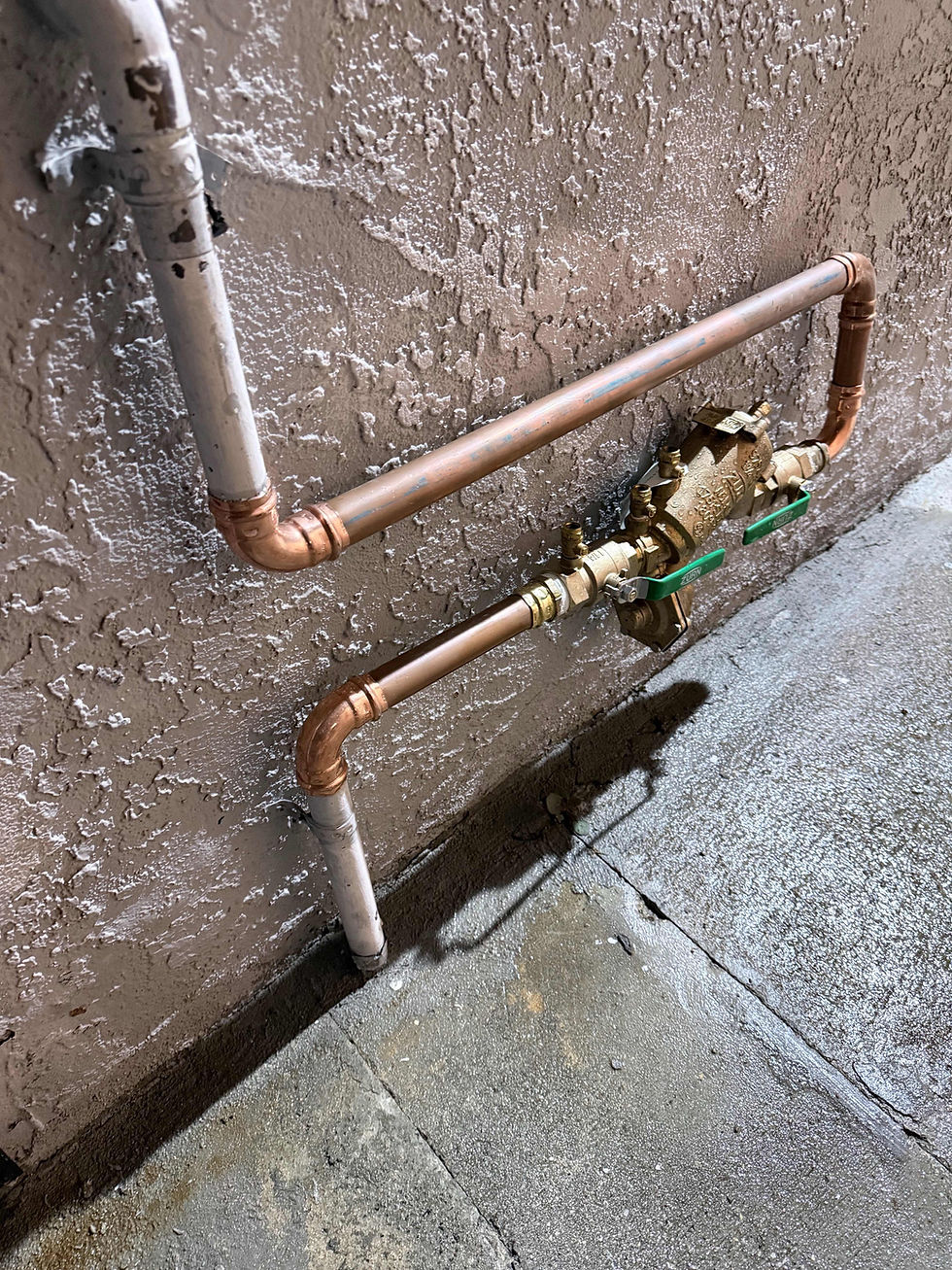
Visible leaks, corrosion, or mineral buildup around the assembly
Gurgling, rattling, or whistling noises at the device
Unexplained wet spots near the unit or irrigation vaults
Rising water bills without a known cause
Irrigation issues: zones not holding pressure, heads weeping, or uneven coverage
Old or missing test tag (no record of recent testing)
If you see any of these, schedule professional backflow testing Orange County with Atlas Backflow Services to verify performance and protect your water supply.
What Each Symptom Might Mean
Discolored or foul‑tasting water: Could indicate cross‑connection risk or debris bypassing checks. This is a red‑flag health concern and should be evaluated immediately.
Low or fluctuating pressure: Worn springs, debris on the checks, or a partially stuck relief valve can restrict flow.
Continuous relief valve discharge (RP/RPZ): Persistent trickle or steady flow suggests the assembly is not sealing properly or the relief valve is fouled—failure is likely.
Leaks around the body, unions, or test cocks: Gasket fatigue, freeze damage, or corrosion can compromise integrity and performance.
Noises (hammering, whistling, chattering): Turbulent flow or failing check valves often produce distinctive sounds when flow starts or stops.
Wet vaults or soggy soil: A slow, hidden discharge in underground enclosures can go unnoticed until you see surface moisture.
Higher water bills: A relief valve that never fully closes or a hidden leak will run up usage.
Visible corrosion and scale: Mineral deposits impede sealing surfaces and shorten component life.
Aged device or lapsed testing: If your tag shows last year’s date (or no tag at all), you may be out of compliance and at higher risk for failure.
Where You’ll Notice Problems (By System Type)
Irrigation systems (RP/RPZ or DC): Relief valves dripping into the box, zones that won’t hold pressure, sprinkler heads weeping after shutoff, or chronically wet planters.
Domestic (potable) service: House‑wide pressure dips, water quality changes at faucets, and occasional hammering when fixtures close.
Fire lines (DCDA/RPDA): Unexplained flow on the meter by‑pass, continuous discharge at the relief (RPDA), or low gauge readings during inspection/testing.
If you’re unsure which assembly you have, our technicians can identify it on site and perform certified backflow testing Orange County to pinpoint the fault.
Why a Failing Backflow Preventer Matters in Orange County
Health protection: A compromised assembly can allow contaminants to backflow into potable lines. That’s the primary reason annual testing is mandated.
Compliance and liability: Orange County water purveyors—such as Irvine Ranch Water District, Moulton Niguel, Mesa Water, Santa Ana, and Anaheim—require testing on schedule, with re‑tests after any repair. Non‑compliance can lead to fines or service interruptions.
Cost control: Small leaks waste water and money; catching issues early through backflow testing Orange County prevents emergency repairs and downtime.
What To Do If You Suspect a Failure
Look and listen safely: Note continuous discharge, leaks, or unusual sounds. Do not adjust springs or screws.
Check the test tag: If it’s past due, you’re already at increased risk—and out of compliance.
Call Atlas Backflow Services: We’ll dispatch a certified tester to perform diagnostics and confirm whether repair or rebuild is needed.
Authorize repairs if needed: We carry common rebuild kits to get you back in service fast.
Re‑test and file: After any repair, a re‑test is required. We complete the test and submit results directly to your water district.
One appointment is usually all it takes for testing, repairs, re‑testing, and electronic submittal—our hallmark for efficient backflow testing Orange County.
Safe DIY Checks vs. What to Leave to Pros
You can:
Visually inspect for leaks, corrosion, or continuous relief discharge.
Photograph the nameplate and tag for model, size, and last test date.
Clear debris around the enclosure to prevent damage and keep it ventilated.
Leave to pros:
Gauge‑based performance testing of checks and relief valves.
Repairs/rebuilds using approved parts.
Shutoff verification and re‑testing to satisfy your purveyor’s documentation rules.
Attempting adjustments without proper equipment can worsen the problem or invalidate compliance.
Common Causes Behind the Symptoms
Debris and scale: Sand, rust, and mineral buildup stop checks from sealing.
Worn springs and seats: Normal wear lowers differential pressure over time.
Thermal or freeze damage: Sun‑baked enclosures and cold snaps stress elastomers and brass.
Improper installation: Wrong orientation, inadequate clearance, or poor drainage accelerates wear.
System changes: New irrigation heads or added fixtures may exceed the assembly’s size/flow specs.
Our backflow testing Orange County service includes practical advice to address root causes—like adding strainers, flushing, or relocating enclosures for better drainage and access.
Prevent the Next Failure
Test annually on time (or more often for high‑hazard or harsh environments).
Protect the enclosure: Shade from UV, insulate against cold, and keep vaults dry.
Flush lines after repairs or construction to minimize debris intrusion.
Right‑size and right‑type: Match the assembly to actual flow demand and hazard level.
Document everything: Keep digital copies of test reports for renewals, audits, and property sales.
Ask about maintenance plans from Atlas Backflow Services—bundled scheduling, reminders, multi‑device pricing, and streamlined backflow testing Orange County across portfolios.
FAQ: Backflow Failure Basics
Is a small drip from an RP relief valve normal?
Occasional brief weeping right after shutoff can happen, but continuous dripping or steady flow indicates a problem—schedule a test.
My water tastes odd—should I stop using it?
Yes, avoid consumption and call us immediately. We’ll perform priority testing to rule out backflow conditions.
Do I need a re‑test after a repair?
Yes. Orange County purveyors require a passing re‑test after any repair, rebuild, or replacement.
Who submits the paperwork?
The certified tester. Atlas Backflow Services files directly with your water provider and sends you copies.
Can I delay testing until cooler/warmer months?
It’s best to test on or before your due date. Delays risk fines and, more importantly, your water quality.
Why Choose Atlas Backflow Services
Certified local experts: Daily coordination with OC water districts and their portals.
One‑visit efficiency: Test, repair, re‑test, and submit—fast and accurate.
Transparent pricing and scheduling: Ideal for homeowners, HOAs, facility managers, and multi‑site portfolios.
Data you can trust: Digital records, reminders, and proactive compliance support.
Ready to Schedule?
Don’t wait for a small symptom to become a shutdown. If you’ve noticed any of the signs above, contact Atlas Backflow Services for prompt, professional backflow testing Orange County. We’ll protect your water, your compliance, and your peace of mind—start to finish.


Comments