


The Backflow Parts That Fail Most Often (and How to Catch Them Early in Long Beach)
- bill57931
- 41 minutes ago
- 5 min read
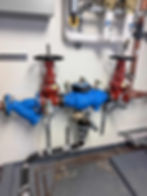
Backflow preventers are mechanical safety devices—and like any mechanical assembly, they wear down. If you manage a commercial property, multifamily building, irrigation system, or any site with a required backflow assembly, knowing what parts fail most often helps you prevent surprise failures, reduce downtime, and stay compliant.
This guide breaks down the most common failure points across popular backflow assemblies (RP, DC, PVB), what causes those failures, and the practical maintenance approach Backflow Testing Long Beach experts recommend—the same approach used by Atlas Backflow Services when supporting local properties.
Quick Answer: What Fails Most Often?
Across most backflow prevention assemblies, the parts that fail most frequently are:
Rubber check valve components (seats, discs, O-rings)
Springs (loss of tension, corrosion, fatigue)
Relief valve components (especially in RP assemblies)
Shutoff valve seals and packing (leaks, stiffness, inability to fully close)
Test cocks (leaking, seized, damaged threads)
These aren’t “rare defects.” They’re normal wear items—exactly why Backflow Testing Long Beach experts recommend consistent annual testing and timely rebuilds when readings drift.
Why These Parts Fail So Often
Backflow preventers live in harsh conditions: pressure changes, temperature swings, mineral buildup, occasional debris, and sometimes outdoor exposure. The most common underlying causes include:
Aging rubber: seals harden, crack, or deform over time
Mineral scale and grit: prevents tight sealing and smooth movement
Corrosion: especially on springs and internal metal components
Pressure surges / water hammer: stresses checks, springs, and relief mechanisms
Heat and sun exposure: accelerates deterioration on outdoor devices
This is why Backflow Testing Long Beach experts recommend treating annual tests as a performance check—not just a compliance checkbox.
Most Common Failure Points by Component
Here’s what fails most, what it looks like, and why it matters.
1) Check Valves (Seats, Discs, O-Rings)
Check valves are the heart of most assemblies. They’re designed to close tightly and prevent reverse flow. The most common issues are:
Worn or nicked rubber discs
Dirty or pitted seats
Flattened or cracked O-rings
Debris caught on the sealing surface
Why it fails: even tiny debris or scale can keep a check from sealing, causing a test failure. Rubber also deforms over time, especially under constant pressure.
What you might notice: intermittent pressure issues, minor internal leakage, or a device that passes one year and fails the next without obvious external signs.
This is one of the top reasons Backflow Testing Long Beach experts recommend rebuilding check assemblies with manufacturer-approved kits rather than “patching” with generic parts.
2) Springs
Springs help checks close at the correct force and timing. They commonly fail by:
Corrosion
Loss of tension (fatigue)
Breaking or binding
Why it fails: constant compression cycles and water chemistry take a toll. Once a spring weakens, it can change the check’s closing behavior and lead to marginal readings that fail under test conditions.
Because spring wear can be subtle, Backflow Testing Long Beach experts recommend paying attention to “barely passing” readings—they often predict near-term failure.
3) Relief Valve Parts (Especially in RP Assemblies)
If you have an RP (Reduced Pressure) assembly, the relief valve is a major safety feature. It opens to discharge water when internal conditions aren’t safe, preventing backpressure/back-siphonage events from contaminating supply.Common relief valve failure items include:
Relief valve diaphragm
Relief seat and O-rings
Relief spring
Sealing surfaces affected by scale/debris
Why it fails: relief valves are sensitive to debris and wear, and they cycle under certain pressure conditions.
Scale buildup or worn rubber can cause nuisance dripping or failure to open/close at the required set points.What you might notice: persistent dripping from the relief port or periodic discharge.
This is a classic scenario where Backflow Testing Long Beach experts recommend prompt service—an RP that’s constantly discharging is both a compliance concern and a water waste issue.
4) Shutoff Valves (Gate/Ball Valves and Seals)
Shutoff valves aren’t always the reason the assembly fails a performance test, but they’re a frequent service headache and can prevent proper testing.Common issues:
Packing leaks around the stem
Worn internal seals
Seized or stiff operation
Valve not fully closing
Why it fails: age, corrosion, and lack of operation (valves that never get exercised tend to seize). If a shutoff won’t close tightly, you can’t properly isolate the device for testing or repairs.
That’s why Backflow Testing Long Beach experts recommend “exercising” shutoffs periodically and addressing small leaks before they become replacements.
5) Test Cocks
Test cocks are the small ports used for connecting testing equipment. They commonly fail due to:
Seizing from mineral buildup
Leaking around threads or seals
Broken handles or stripped threads
Why it fails: they’re exposed, small, and often ignored until test day. A damaged test cock can delay testing, repairs, and documentation.
In practice, Backflow Testing Long Beach experts recommend replacing failing test cocks early—because they’re relatively inexpensive compared to the disruption they can cause.
Common Failure Patterns by Assembly Type
Not all assemblies fail the same way.
DC (Double Check) Assemblies
Most common failures:
DCs often fail quietly—no external discharge—so annual testing is critical. This is exactly why Backflow Testing Long Beach experts recommend not relying on “it seems fine” as a maintenance strategy.
RP (Reduced Pressure) Assemblies
Most common failures:
Relief valve wear (dripping/discharge)
#1 check issues causing relief activation
O-ring and diaphragm aging
RPs are excellent protection, but they have more moving parts. Backflow Testing Long Beach experts recommend faster response when an RP starts dripping, because the symptom often signals an internal sealing issue.
PVB (Pressure Vacuum Breakers)
Most common failures:
Air inlet/poppet issues
Rubber seal deterioration
Damage from freezing (cracking, distorted components)
If your PVB is outdoors (common with irrigation), freeze protection and proper elevation/installation matter. Backflow Testing Long Beach experts recommend seasonal awareness—especially after unusually cold nights.
How to Reduce Failures (and Avoid Surprise Retests)
You can’t prevent all wear, but you can drastically reduce failures with a few habits:
Schedule annual tests early in your compliance window
Address “borderline” readings before they become a hard fail
Install protection for outdoor devices (proper enclosures and freeze precautions as appropriate)
Keep assemblies accessible (clearance helps testing accuracy and speeds repairs)
Use manufacturer-approved rebuild kits for reliable sealing and performance
This is the practical maintenance baseline Backflow Testing Long Beach experts recommend for property managers who want fewer emergencies.
Why Atlas Backflow Services (Long Beach)
At Atlas Backflow Services, the focus is simple: help you keep your system reliable, testable, and compliant.
That includes identifying which internal parts are trending toward failure, recommending repair vs. replacement when it’s truly warranted, and keeping documentation clean so compliance doesn’t get delayed by paperwork.
If you’re seeing symptoms like dripping on an RP, stiff shutoff valves, or you’ve had repeated failures year over year, Atlas Backflow Services can help diagnose the likely component issues and plan the most cost-effective fix.
Bottom Line
The parts that fail most often—check valve rubbers, springs, relief valve components, shutoff seals, and test cocks—are all predictable wear items. When you follow the preventive approach Backflow Testing Long Beach experts recommend, you catch those issues early, reduce unexpected failures, and keep compliance straightforward.
If you tell me what type of assembly you have (RP/DC/PVB), whether it’s for irrigation, fire, or domestic water, and any symptoms (drip, leak, low readings), I can suggest the most likely failing parts to look at first.