


Why Do Insurance Companies and Municipalities Require Documentation for Annual Backflow Testing?
- bill57931
- Dec 15, 2025
- 5 min read

Keeping your water safe isn’t just good practice—it’s the law in many places and a condition of most commercial insurance policies. If you’ve been asked to provide proof of annual backflow testing, there’s a reason: documentation is what ties together public health protection, risk management, and your day-to-day operations.
At Atlas Backflow Services, our Orange County Backflow Testing experts recommend treating documentation as a core part of your compliance program—not an afterthought.Below, we break down why this paperwork matters, what “acceptable documentation” looks like, and how to make compliance simple.
What Is Backflow—and Why Is Annual Testing Documented?
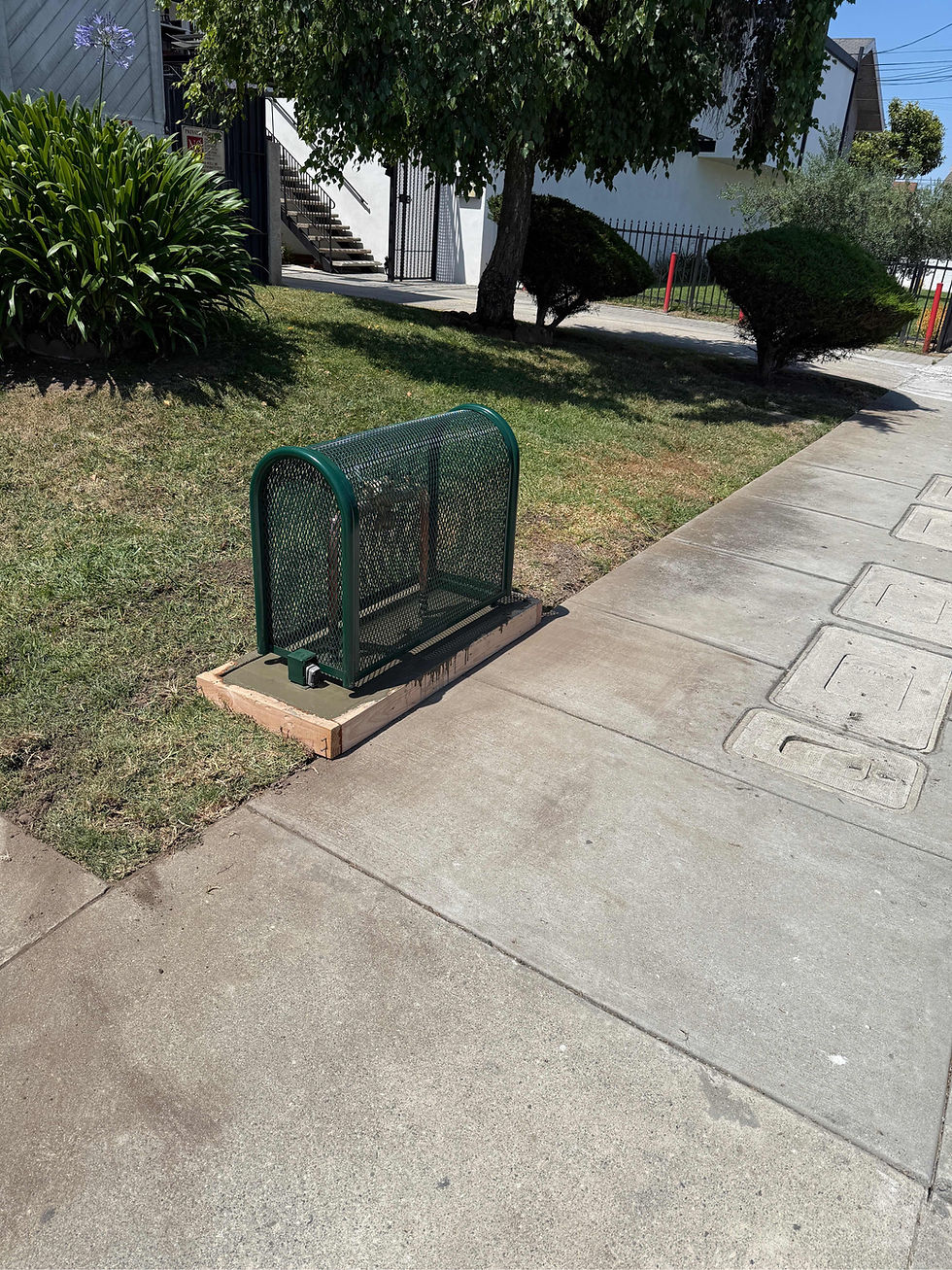
Backflow happens when water reverses direction in your plumbing system, potentially drawing contaminants into the drinking water supply. Backflow prevention assemblies (like RP, DC, PVB, and RPDA devices) are your last line of defense. Annual testing verifies they’re still working under real-world conditions.
Annual testing confirms performance. Valves and springs wear out; pressure zones can drift. Testing proves the device is doing its job today—not just when it was installed.
Documentation proves compliance. A test result without a paper trail won’t satisfy city regulators or insurers. Documentation connects the test, the device, the location, and the certified tester in one verifiable record.
Our Orange County Backflow Testing experts recommend scheduling tests early in your renewal cycle so you have time to repair, retest, and file well before deadlines.
Why Municipalities Require Documentation
Municipal requirements aren’t arbitrary—they exist to protect the public water supply. In California, water purveyors operate cross-connection control programs guided by state health codes (such as Title 17 of the California Code of Regulations). Cities and water districts enforce annual testing and require that paperwork be submitted and retained.
Public health protection. Documentation helps water departments verify that every listed device in their service area has been tested and passed, limiting contamination risks.
Enforcement and accountability. Paperwork provides a clear pass/fail status, dates, and any corrective actions. If a device fails and isn’t corrected, the city has cause to issue notices, fines, or service restrictions.
Audit-ready records. Cities need a verifiable trail they can produce during state audits or incident investigations.
Practically speaking, this is why you receive reminder letters, due dates, and specific submittal instructions from your local water agency. Our Orange County Backflow Testing experts recommend confirming the exact submittal method your city prefers (portal upload, email, or direct tester submission) to avoid rejections.
Why Insurance Companies Require Documentation
Insurers look at backflow devices as part of your overall risk profile. A functioning device reduces the likelihood of contamination, property damage, and business interruption—all key loss drivers. Documentation helps insurers quantify your risk and respond quickly if something goes wrong.
Underwriting and pricing. Proof of current, passing tests can support favorable underwriting decisions. Lack of documentation can mean higher premiums or coverage exclusions related to water quality or equipment failure.
Claims eligibility. When a loss involves water systems, insurers may request evidence of maintenance and testing. Without documentation, claims can be delayed, reduced, or denied.
Regulatory compliance linkage. If a claim implicates code violations (for example, an untested or failed device), lack of compliance records can create legal friction and liability exposure.
If your facility has fire protection systems (sprinklers) that include backflow assemblies, documentation of their annual tests is often required for both municipal compliance and insurance.
What Counts as “Acceptable” Documentation?
Not all paperwork is created equal. To satisfy both municipalities and insurers, your test records should be complete, legible, and verifiable.
Device details: type (RP, DC, PVB, etc.), size, manufacturer, model, serial number, and service location.
Test data: line pressure, differential readings, pass/fail results, and any repairs performed.
Tester credentials: certified tester name, certification number, company, signature, and test gauge calibration date.
Dates and traceability: test date, retest date (if repairs were needed), and a unique report ID.
Submission confirmation: timestamped proof of submittal to your water purveyor (portal receipt, email confirmation, or stamped acceptance).
Our Orange County Backflow Testing experts recommend retaining digital and hard copies for at least three years (or longer if your insurer or city specifies). Keep calibration certificates with your annual test reports to streamline audits.
What Happens If You Don’t Have the Paperwork?
Missing or incomplete documentation can have immediate and costly consequences:
Municipal penalties: notices of violation, fines, service shutoff warnings, or permit/CO holds.
Insurance friction: premium surcharges, narrower coverage terms at renewal, or claim disputes post-incident.
Operational risk: delayed tenant move-ins, project inspections, or health department approvals for food service and healthcare facilities.
Reputational impact: for hospitality, healthcare, manufacturing, and multi-family properties, compliance lapses can harm trust and tenant relations.
How Atlas Backflow Services Makes Compliance Easy
Atlas Backflow Services specializes in testing, repairs, and documentation for commercial, industrial, and residential properties across Orange County. We build compliance around your needs—not the other way around.
Certified testing and repairs: Prompt, code-compliant testing with on-the-spot minor repairs to reduce retest delays.
Direct submittal to your water purveyor: We file on your behalf and provide you with the acceptance confirmation.
Digital compliance records: Secure, searchable PDFs including device inventory, test data, and calibration certificates.
Automated reminders: Never miss a deadline; we notify you well before the due date.
Portfolio management: Multi-site, multi-device scheduling that minimizes disruptions and technician visits.
Our Orange County Backflow Testing experts recommend consolidating all devices under a single testing calendar and aligning renewal dates across locations when possible. It reduces interruptions and prevents staggered urgent deadlines.
Pro Tips to Stay Audit-Ready All Year
Create a “Backflow Compliance” folder: Store the current year’s reports, last two years’ archives, gauge calibration certificates, and city submissions in one place.
Verify your device inventory annually: Construction changes, tenant improvements, or meter swaps can alter what needs testing.
Include fire protection devices: Don’t overlook RPDA/DCDA assemblies on sprinkler systems; they have their own testing requirements.
Plan for repairs: Budget a small contingency for parts and retesting so failures don’t derail compliance.
Know your due dates: Cities may set device-specific deadlines. Our Orange County Backflow Testing experts recommend tagging calendar reminders 60 and 30 days ahead.
Quick FAQs
Do homeowners need documentation? If your home has an irrigation PVB/RP or dedicated landscape meter, your water agency may require annual testing and proof. Check your city’s cross-connection control program.
Will photos help? Yes. Photos of the device nameplate and installation help validate serial numbers and locations—useful for insurers and municipalities alike.
How fast can I get a certificate? In most cases, Atlas Backflow Services provides same-day test reports and submits to your water purveyor within one business day.
Conclusion
Documentation isn’t just “paperwork.” It’s your proof of protection—for public health, regulatory compliance, and insurance coverage. By treating backflow records as essential business documents, you reduce risk, speed up inspections and claims, and protect your brand.Ready to simplify compliance?
Contact Atlas Backflow Services. Our Orange County Backflow Testing experts recommend getting ahead of your deadlines now—so you can focus on running your business, not chasing paperwork.


Comments