


Why “Improper Installation” Matters for Backflow Protection
- bill57931
- 9 minutes ago
- 5 min read
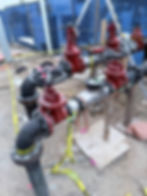
Backflow prevention assemblies are designed to stop contaminated water from flowing backward into your potable water supply. When they’re installed incorrectly—even if the device is brand new—performance can be compromised, tests can fail, and you may face compliance issues (especially for commercial properties and multi-family buildings).
This guide from Atlas Backflow Services covers the most common signs of improper installation, what they can lead to, and what our Backflow Repair experts in Los Angeles recommend doing if you suspect something isn’t right.
Quick Summary: The Most Common Red Flags
If you want a fast checklist, these are the issues our Backflow Repair experts in Los Angeles recommend taking seriously:
Frequent test failures shortly after install
Persistent leaking from relief valves, test cocks, or fittings
Wrong orientation (installed backward or not level when required)
Missing or incorrect clearances for testing and repairs
No proper drainage/air gap where discharge is expected
Incorrect device type for the hazard level/application
No permits, documentation, or test tags (when required)
Noticeable pressure problems after installation (chatter, hammering, low flow)
Sign #1: The Assembly Fails Testing Soon After Installation
A new or recently installed backflow preventer that fails its initial test (or fails again soon after) is one of the clearest indicators something is off.
What it can mean
Device installed in the wrong direction (flow arrow mismatched)
Improper shutoff valve configuration or damaged isolation valves
Debris left in the line because the piping wasn’t flushed properly
Incorrect installation conditions (orientation/leveling requirements not met)
What our Backflow Repair experts in Los Angeles recommend
Don’t assume the device is “defective.” Verify the installation meets manufacturer specs and local requirements, then retest after correcting any installation errors.
Sign #2: Leaking That Doesn’t Resolve (Relief Valve, Test Cocks, Fittings)
Some moisture right after startup can be normal depending on the situation, but ongoing leaking is not.
Common improper-install causes
Incorrect placement where the device can’t drain properly
Poor pipe support causing stress on the assembly
Cross-threaded fittings, over-tightened components, or misapplied sealant
A relief valve discharging because of improper differential pressure conditions
What our Backflow Repair experts in Los Angeles recommend
Treat persistent discharge as a diagnostic symptom, not just a nuisance. A backflow device that can’t drain safely may create property damage risk and may violate code expectations for discharge management.
Sign #3: Wrong Device Type for the Application (High Hazard vs. Low Hazard)
One of the most expensive “installation” mistakes is choosing a device that isn’t appropriate for the hazard level.
Examples of mismatches
Installing a DC (Double Check) where an RP (Reduced Pressure) is required
Using irrigation protection that doesn’t meet local cross-connection control expectations
Using a residential-style configuration on a commercial system with higher hazard potential
What our Backflow Repair experts in Los Angeles recommend
Confirm the device type matches the use case and hazard classification (irrigation, fire line, commercial equipment, chemical feed, etc.). Correct device selection is just as important as correct piping.
Sign #4: Incorrect Orientation, Backwards Install, or Leveling Problems
Many assemblies have a clear flow direction arrow and installation requirements (horizontal/vertical use may differ by model).
What improper orientation can cause
Immediate test failures
Internal check wear and flutter
Nuisance relief valve discharge (on RP assemblies)
Reduced service life and inconsistent protection
What our Backflow Repair experts in Los Angeles recommend
Confirm the arrow direction, verify model-approved orientation, and ensure the assembly is installed with the required level/position. If the installer “made it fit,” it may not be correct.
Sign #5: Inadequate Clearance for Testing, Repair, and Replacement
Backflow preventers require periodic testing and occasional repairs. If it’s wedged into a tight corner or installed too close to walls, the tester may not be able to connect properly—or repairs may require unnecessary demolition.
What this looks like
Test cocks blocked by a wall, landscaping, fencing, or equipment
Shutoff handles cannot fully operate
No room to remove the bonnet or service internal parts
What our Backflow Repair experts in Los Angeles recommend
Plan for the entire lifecycle: testing access, shutoff operation, and repair clearance. If your tester struggles to access ports safely, the installation may be functionally noncompliant.
Sign #6: No Proper Drainage, Air Gap, or Discharge Routing (Especially for RP Assemblies)
RP assemblies can discharge water during normal operation or when faults occur. If installed where discharge can’t drain safely, you can end up with flooding, damaged finishes, or an unsafe slippery area.
Common installation mistakes
Installing in a pit or low spot without appropriate drainage considerations
Discharging onto surfaces that can’t handle periodic flow
No consideration for freezing exposure or weather protection where relevant
What our Backflow Repair experts in Los Angeles recommend
Make sure discharge is handled in a way that protects people and property while meeting local expectations. A “working” device in a bad location is still a problem.
Sign #7: Water Hammer, Chatter, or Sudden Pressure Complaints After Install
If you notice banging pipes, vibration, or new low-pressure complaints immediately after installation, it may indicate installation errors or system conditions that weren’t addressed.
Potential causes
Incorrect valve placement or partially closed valves
Poorly supported piping allowing movement
Wrong sizing of the backflow assembly
Debris trapped in checks due to lack of proper flushing
What our Backflow Repair experts in Los Angeles recommend
Don’t ignore mechanical symptoms. Chatter and hammering can damage valves and shorten device life—address the root cause before it becomes a recurring repair cycle.
Sign #8: Missing Documentation, Tags, or Test Records
Improper installation isn’t only mechanical—administrative oversights can create real headaches.
Common signs
No test tag or incomplete labeling
No initial test report (where required)
Confusion about device location, type, or serial number
No clarity on who is responsible for ongoing compliance
What our Backflow Repair experts in Los Angeles recommend
Keep records organized from day one: device details, install date, test results, and service history. This helps streamline future tests, repairs, and compliance needs.
What to Do If You Suspect Improper Installation
If any of these signs sound familiar, here’s the practical next step sequence our Backflow
Repair experts in Los Angeles recommend:
Document symptoms (leaks, discharge timing, pressure issues, test failures).
Confirm the device type and model match the application.
Check basic installation conditions (direction arrow, orientation, clearance).
Schedule an onsite assessment with Atlas Backflow Services to identify whether you’re dealing with an installation issue, a device issue, or a system condition (like debris or pressure irregularities).
Complete repairs and retest to verify the assembly performs to standard.
Why Choose Atlas Backflow Services
Improper installation can be subtle—sometimes the assembly “looks fine” but repeatedly fails tests or causes nuisance discharge. Atlas Backflow Services focuses on diagnosing the real cause, correcting the issue efficiently, and helping you maintain reliable protection moving forward.