Why Is Water Leaking or Dripping from My Backflow Preventer?
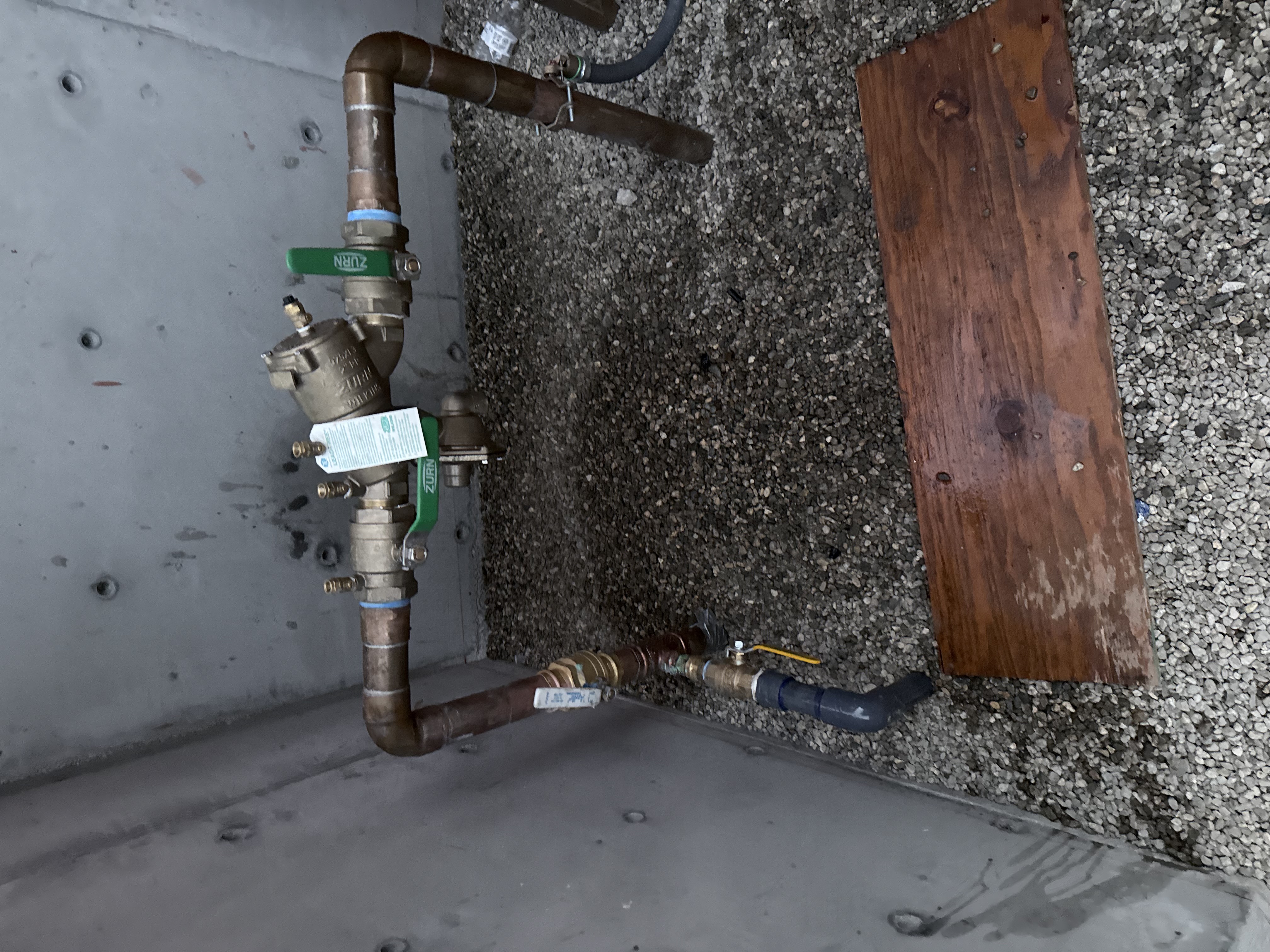
Seeing water drip from your backflow preventer can be alarming—and messy. The good news is that not every drip means disaster, but persistent leakage is a sign your assembly needs attention.
Below, Atlas Backflow Services explains the most common causes, what's normal, what isn't, and the safe steps to take next.
Our backflow maintenance Orange County experts recommend addressing leaks promptly to protect compliance, avoid water damage, and keep your water system safe.
Quick Answer: Key Takeaways
A brief, occasional drip from a relief vent (RPZ/PVB) can be normal; continuous discharge is not.
Most leaks are caused by debris, worn rubber parts, freeze damage, pressure fluctuations, or installation issues.
Never cap or plug a relief vent to stop a leak—this is dangerous and violates code.
Schedule certified testing and repair to diagnose whether a rebuild kit or replacement is needed.
Our backflow maintenance experts recommend checking for recent water main work, freeze events, or pressure changes that may have triggered the leak.
First, Identify Your Backflow Type (It Guides the Diagnosis)
RPZ (Reduced Pressure Zone): Has a relief valve that vents to atmosphere—some discharge is normal during certain conditions; continuous flow indicates a problem.
DCVA (Double Check Valve Assembly): Has no relief vent. If you see water outside the body, it's likely from test cocks, ball valve packing, unions, or a cracked body—DCVAs shouldn't "leak by design."
PVB (Pressure Vacuum Breaker): Has an atmospheric vent on top. Dripping after irrigation cycles may occur; persistent leaking usually points to a worn poppet/float, debris, or freeze damage.
Our backflow maintenance Orange County experts recommend snapping a quick photo of your device and the leak location—vent, test cock, body seam, union, or ball valve—before you call. It speeds troubleshooting.
Common Leak Locations and What They Mean
RPZ Relief Valve (the discharge port)
Intermittent dripping: Often caused by pressure fluctuations, downstream demand dropping suddenly, or minor debris on the relief valve seat.
Continuous discharge: Typically indicates debris or damage on the first or second check valve, or a relief valve that can't reseat. Post–water main break sediment is a frequent culprit.
Thermal expansion: Closed plumbing systems without a functioning expansion tank can force heated water back toward the RPZ, opening the relief valve.
What to do: Our backflow maintenance experts recommend cleaning upstream strainers, checking expansion tanks and PRVs, and scheduling a certified test. A rebuild kit for checks/relief often resolves it.
PVB Atmospheric Vent (top bonnet)
Drips during or right after irrigation: Some residual venting can be normal; persistent dripping means a worn poppet/float, debris under the seal, or improperly positioned springs.
Leak after a cold snap: PVBs are prone to freeze damage; a hairline crack in the bonnet or body can cause constant leaking.
What to do: Winterize before freezing temps, and if leaking persists, plan for a rebuild or bonnet replacement. Our backflow maintenance experts recommend replacing freeze-damaged parts immediately to prevent failure during start-up.
DCVA External Leaks
Test cocks: A common source. Dry, cracked, or nicked O-rings can seep; sometimes a test cock was left slightly open after last testing.
Ball valve stem packing/unions: Packing can loosen, and union gaskets can weep after vibration or temperature swings.
Body or bonnet cracks: Often from freezing or mechanical stress; these require replacement, not repair.
What to do: Tighten packing nuts thoughtfully, replace O-rings and gaskets, and if cracks are present, replace the assembly. Our backflow maintenance experts recommend pressure testing after any repair.
"Mystery" Moisture in a Drain
If your RPZ is piped to a floor drain, you may not see the vent discharge directly. Gurgling or constant wet floors can indicate relief flow you're not seeing.
What to do: Inspect the relief vent and air gap. Ensure the drain can handle the rated discharge. Never tie relief into a closed waste line. Our backflow maintenance experts recommend verifying a proper air gap and visible discharge path.
Why Backflow Preventers Leak: The Root Causes
Sediment and debris: After water main breaks, hydrant use, or nearby construction, grit can foul check and relief seats. Flushing helps, but testing/rebuild may be necessary.
Worn elastomers: Seats, discs, diaphragms, and O-rings wear out. Age, chlorine exposure, and cycling accelerate wear.
Freeze damage: Even a brief freeze can crack bonnets and bodies—especially PVBs and devices installed above grade without insulation/heat.
Pressure issues: Excessive pressure, water hammer, or rapid downstream demand changes can cause RPZ relief nuisances.
Thermal expansion: Without a functioning expansion tank on closed systems, heated water has nowhere to go and lifts the RPZ relief.
Improper installation: Misalignment, lack of support, incorrect orientation, undersized drains, or missing air gaps can all manifest as "leaks."
Chemical exposure: Petroleum-based contaminants can swell or degrade rubber components, leading to poor sealing.
Our backflow maintenance Orange County experts recommend asking your water utility if any recent system work occurred. A quick yes can point straight to debris-related causes.
Safe Steps to Take Right Now
Do not cap or plug the relief vent. This creates a serious safety hazard and violates code.
Check for obvious issues: Closed downstream valves, stuck-open fixtures, or failed expansion tanks can trigger relief discharge.
Look upstream: Clean any inlet strainer where allowed.
Protect the area: Provide containment for discharge to avoid water damage while you wait for service.
Schedule certified testing and repair. Our backflow maintenance experts recommend testing any leaking device immediately and after any corrective action.
If the leak is heavy and uncontrolled, isolate the assembly using the upstream shutoff and call for service—especially on fire lines where coordination is required.
Repair vs. Replace: What's the Right Move?
Rebuild (most common): Replacing rubber kits for checks and relief valves fixes many RPZ/PVB leaks. DCV leaks at test cocks/packing usually need O-rings or minor hardware.
Replace components: Freeze-damaged bonnets or relief bodies on PVBs and RPZs can often be replaced with OEM parts.
Full replacement: Required for cracked bodies, obsolete models with no parts availability, or devices repeatedly failing despite rebuilds.
Fire line devices: Coordinate with your fire contractor for impairment tags and forward flow testing after repair.
Our backflow maintenance Orange County experts recommend lifecycle planning: high-use commercial assemblies may need rebuild kits every 3–5 years and replacement around the 10-year mark, depending on conditions.
Preventing Future Leaks
Annual testing and maintenance. Catch worn components before they fail.
Install/maintain a pressure reducing valve (PRV) if static pressure is high; verify setpoints.
Verify a working thermal expansion tank on closed hot-water systems.
Add or clean inlet strainers where permitted, especially after utility work.
Winterize and insulate. Drain and protect above-ground PVBs and RPZs before freezing weather.
Support and align piping. Proper supports reduce stress on unions and bodies.
Document events. Our backflow maintenance experts recommend logging main breaks, hydrant use on your block, or pressure spikes so your tester knows to check for debris-related issues.
FAQs
Why is my RPZ leaking from the relief vent?
Likely debris on a check/relief seat, pressure fluctuations, or thermal expansion. Test and rebuild are common fixes.
My PVB started dripping after winter—what changed?
Freeze damage or a worn poppet/bonnet is likely. Rebuild or replace damaged parts.
Can a DCVA "leak" by design?
No. External moisture usually comes from test cocks, ball valve packing, unions, or cracks—not normal operation.
Is it safe to cap the vent to stop the leak?
No. Never cap or plug relief vents. Call a certified tester.
How fast should I act?
Immediately for continuous discharge, freeze cracks, or any flooding risk. Our backflow maintenance experts recommend same-week service for any leak.
Call Atlas Backflow Services
Don't let a small drip turn into a bigger problem. Atlas Backflow Services provides certified testing, diagnostics, rebuilds, and replacements for RPZ, DCVA, PVB, and fire line assemblies.
Whether your backflow preventer is intermittently dripping or discharging continuously, our backflow maintenance experts recommend a prompt inspection to pinpoint the cause, stop the leak safely, and keep you compliant. Contact us today to schedule service and get your system back to dry, safe, and code-compliant operation.