


Do Backflow Devices Need Testing After Repair?
- bill57931
- 9 hours ago
- 4 min read

When it comes to safeguarding your property's water supply, backflow prevention devices are your first line of defense against contamination. But what happens after these critical devices are repaired? Do they need to be tested again?
The short answer is yes—and understanding why is essential for property owners, facility managers, and business operators across Southern California.
Our Backflow Testing Los Angeles experts at Atlas Backflow Services break down everything you need to know about post-repair testing requirements, regulations, and best practices.
What Is a Backflow Prevention Device?
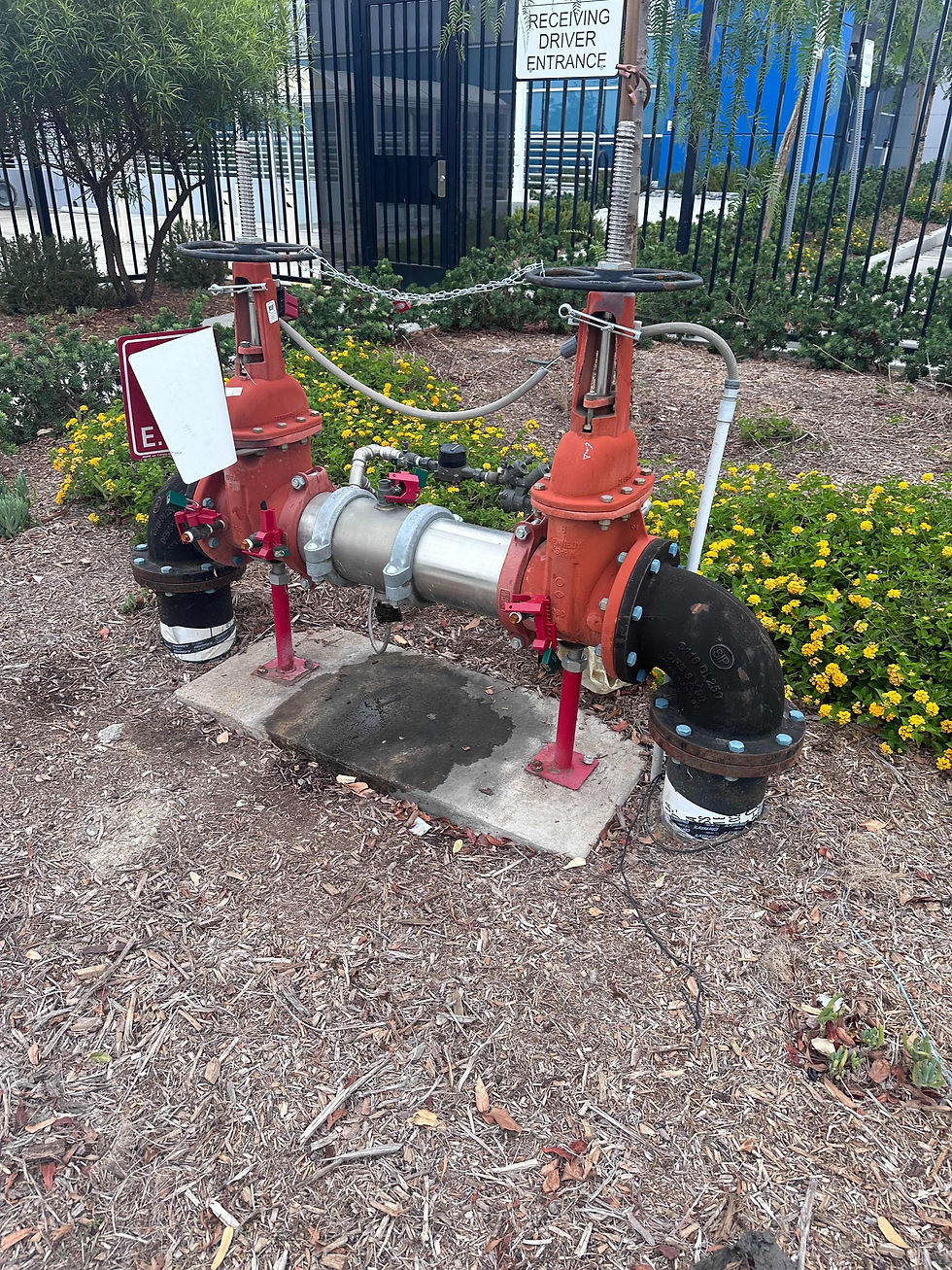
Before diving into testing requirements, it's important to understand what a backflow prevention device actually does. A backflow preventer is a mechanical assembly installed on water lines to stop contaminated water from reversing flow and entering the clean, potable water supply. Backflow can occur due to two main causes:
Backpressure: When downstream pressure exceeds the supply pressure
Backsiphonage: When supply pressure drops, creating a vacuum effect
Without functioning backflow preventers, harmful contaminants like fertilizers, chemicals, and bacteria can enter drinking water systems—putting public health at serious risk.
Why Testing After Repair Is Mandatory
The simple truth is this: any time a backflow device is repaired, replaced, or relocated, it must be retested.
Our Backflow Testing Los Angeles experts emphasize that this isn't just a best practice—it's the law in California and across most U.S. jurisdictions.Here's why retesting after repair is non-negotiable:
1. Verification of Proper Function Even minor repairs can affect how a backflow device operates. Replacing a seal, spring, check valve, or relief valve alters the internal dynamics of the assembly. Testing confirms that the repair was successful and the device is functioning within manufacturer specifications.
2. Regulatory Compliance The Los Angeles Department of Water and Power (LADWP), California Department of Public Health, and local municipalities require certified testing reports following any repair work. Failure to submit these reports can result in fines, water service interruption, or even legal action.
3. Liability Protection If a contamination event occurs and your backflow device hasn't been tested after repair, your business or property could face significant liability. A current test report serves as documentation that you've fulfilled your duty of care.
4. Insurance Requirements Many commercial insurance policies require proof of annual backflow testing, including post-repair verification.
Our Backflow Testing Los Angeles experts at Atlas Backflow Services routinely provide documentation that satisfies insurer requirements.
When Is Post-Repair Testing Required?
Not every adjustment necessitates a full retest, but most repairs do. According to industry standards and California regulations, testing is required after:
Replacing internal components (springs, seats, discs, diaphragms)
Replacing check valves or relief valves
Repairing or replacing shut-off valves
Relocating the device to a new position
Repairs following a failed annual test
Damage from freezing, vandalism, or physical impact
Any disassembly of the device for inspection or cleaning
If you're unsure whether your specific repair requires testing, the Backflow Testing Los Angeles experts at Atlas Backflow Services can quickly evaluate your situation and provide
clear guidance.
The Testing Process After Repair
Post-repair backflow testing follows the same rigorous procedure as annual testing, performed by an AWWA-certified tester. Here's what to expect:Step 1: Visual Inspection The technician examines the device for proper installation, orientation, and accessibility. They verify that all repairs were completed correctly.
Step 2: Shut-Off Valve Verification Both upstream and downstream shut-off valves are tested to ensure they close completely—critical for accurate testing.
Step 3: Pressure Testing Using a calibrated differential pressure gauge, the tester measures the performance of each check valve and the relief valve (on RPZ assemblies). Specific pressure differentials must be met to pass.
Step 4: Documentation A certified test report is generated, including device information, test results, and tester certification. This report is submitted to the local water authority—typically within 10 business days in Los Angeles.
Common Types of Backflow Devices That Require Post-Repair Testing
Our Backflow Testing Los Angeles experts routinely service all major backflow assembly types, including:
Reduced Pressure Zone Assemblies (RPZ/RPBA) – Used in high-hazard applications
Double Check Valve Assemblies (DCVA) – Common for irrigation and fire systems
Pressure Vacuum Breakers (PVB) – Typically used for landscape irrigation
Atmospheric Vacuum Breakers (AVB) – Found in lower-risk applications
Each type has unique testing protocols, and certified testers must follow manufacturer specifications and local codes.
What Happens If You Skip Post-Repair Testing?
Skipping post-repair testing isn't worth the risk. Consequences include:
Fines and penalties from local water authorities
Water service termination until compliance is restored
Health hazards from undetected backflow contamination
Legal liability in the event of a contamination incident
Voided warranties on the repaired device
In Los Angeles specifically, the LADWP actively tracks backflow compliance, and non-compliant properties face escalating enforcement actions.
How Often Should Backflow Devices Be Tested Overall?
In addition to post-repair testing, California law requires annual testing of all backflow prevention assemblies. Setting up a regular maintenance schedule with a trusted provider like Atlas Backflow Services ensures you stay compliant year-round and catch potential issues before they require costly repairs.
Why Choose Atlas Backflow Services?
When you need fast, reliable, and certified post-repair testing, our team delivers. Here's what sets us apart:
AWWA-certified testers with extensive Los Angeles area experience
Same-day and next-day service availability
Direct submission of test reports to LADWP and local water authorities
Transparent pricing with no hidden fees
Full-service capability—repair, testing, and installation under one roof
Our Backflow Testing Los Angeles experts understand local regulations inside and out, ensuring your property remains compliant and your water supply stays safe.
Final Thoughts: Don't Skip the Test
So, do backflow devices need testing after repair? Absolutely. It's a legal requirement, a safety necessity, and a smart business practice. Whether you manage a commercial building, restaurant, medical facility, or residential property, post-repair testing protects everyone who relies on your water system.
Don't leave your water safety to chance. Contact Atlas Backflow Services today to schedule certified post-repair testing with the most trusted Backflow Testing Los Angeles experts in the region. Our team is ready to keep your property safe, compliant, and worry-free.


Comments