


Does a New Backflow Device Need Testing After Installation?
- bill57931
- 9 hours ago
- 5 min read
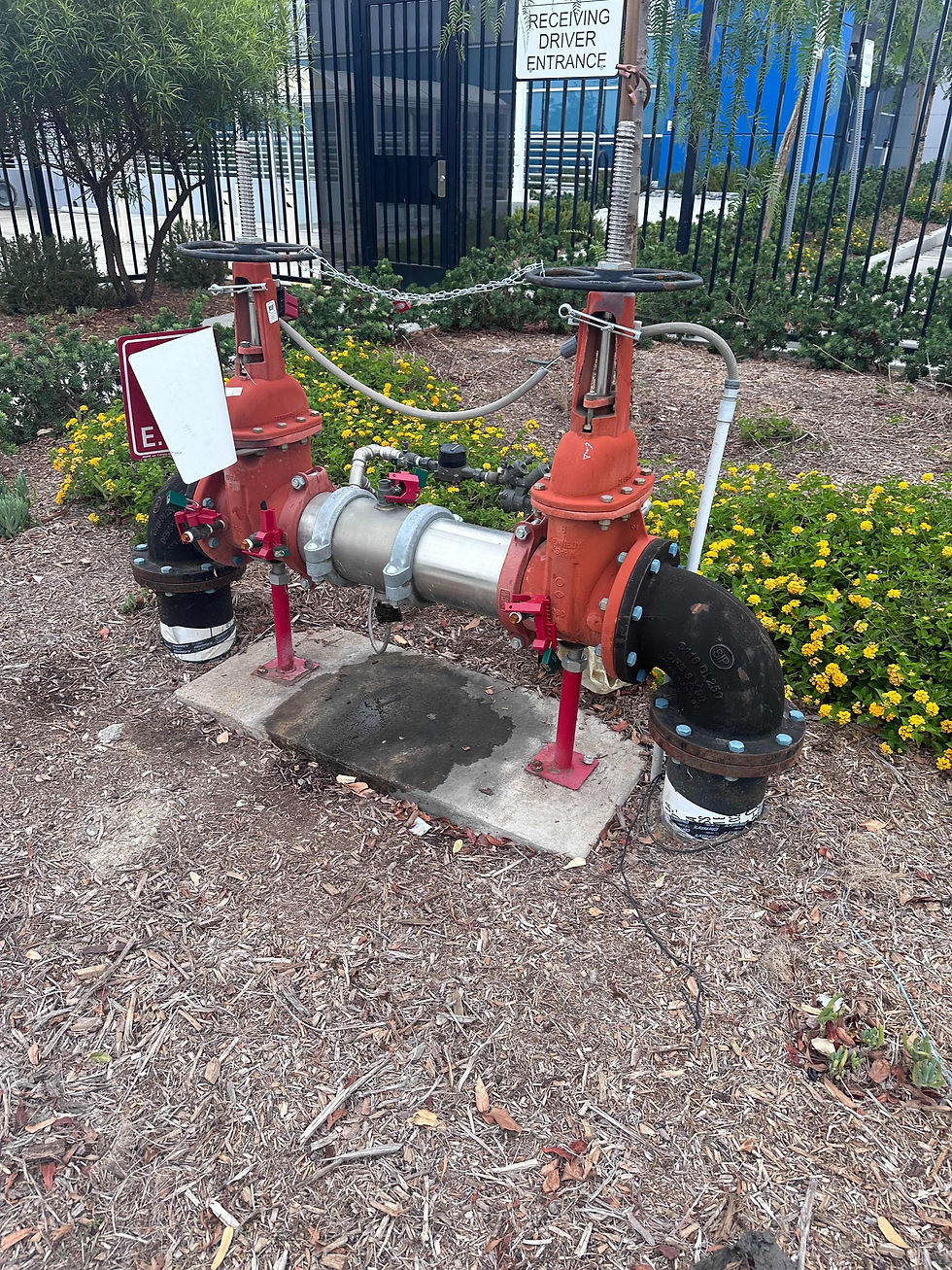
Installing a brand-new backflow prevention device might feel like the end of a project—but in reality, it's just the beginning of your compliance journey. Many property owners assume that because a device is new, it should automatically work perfectly. Unfortunately, that's not how backflow regulations or device mechanics actually function.
Our Backflow Testing Los Angeles experts at Atlas Backflow Services answer this critical question and explain why initial testing is just as important as the installation itself.
The Short Answer: Yes, Absolutely
A newly installed backflow prevention device must be tested immediately after installation—before it's put into service.
This isn't a recommendation; it's a legal requirement in Los Angeles, throughout California, and across virtually every municipality in the United States.
The Backflow Testing Los Angeles experts at Atlas Backflow Services confirm that initial commissioning tests are mandatory under the California Health and Safety Code, Title 17 regulations, and Los Angeles Department of Water and Power (LADWP) cross-connection control requirements.
Why New Devices Need Testing
You might wonder: if the device is brand new and came directly from the manufacturer, why would it need testing? Here are the key reasons:
1. Manufacturing Defects Do Occur Even with strict quality control, backflow assemblies can leave the factory with subtle defects. Springs may be improperly tensioned, seals could be misaligned, or internal components may have shifted during shipping. Testing identifies these issues before they cause problems.
2. Installation Errors Are Common Improper installation is one of the most common reasons new devices fail their initial test. Issues like incorrect orientation, improper torque on connections, debris in the line, or pressure imbalances can all compromise performance.
Our Backflow Testing Los Angeles experts frequently encounter new installations that need adjustments before passing certification.
3. Debris and Construction Contamination During installation, pipe shavings, thread sealant, dirt, or other debris can enter the water line and become lodged in the device's internal components. This contamination can cause check valves to stick open or relief valves to malfunction.
4. Verification of Proper Sizing and Selection Initial testing confirms that the correct device was installed for the application. A device that's undersized or inappropriate for the hazard level may technically function but fail to provide adequate protection.
5. Establishing a Baseline The initial test creates a documented performance baseline for the device. Future annual tests are compared against this baseline to detect gradual degradation over time.
Legal Requirements for New Installation Testing in Los Angeles
The LADWP and California Division of Drinking Water enforce strict requirements for new backflow installations. According to current regulations:
Initial testing must be completed by an AWWA-certified tester before the device is placed into service
Test reports must be submitted to LADWP within 10 business days
Water service cannot be activated for the protected system until passing test documentation is on file
Only certified testers can perform commissioning tests and submit official reports
Our Backflow Testing Los Angeles experts at Atlas Backflow Services hold all required AWWA certifications and maintain direct reporting relationships with LADWP, streamlining the compliance process for our clients.
When Should New Device Testing Occur?
Timing matters when it comes to initial testing. Here's the ideal sequence:
Device installed by a licensed plumber or contractor
System flushed to remove construction debris
Initial testing performed by a certified backflow tester
Test report submitted to LADWP and property owner
Device placed into service once compliance is confirmed
Skipping or delaying any of these steps can result in compliance violations, even if the device itself is functioning properly.
Types of New Backflow Devices That Require Initial Testing
Every testable backflow assembly requires commissioning, including:
Reduced Pressure Zone Assemblies (RPZ/RPBA) – Required for high-hazard applications like medical facilities, industrial sites, and commercial buildings
Double Check Valve Assemblies (DCVA) – Common for fire suppression systems and moderate-hazard applications
Pressure Vacuum Breakers (PVB) – Typically installed for irrigation systems
Spill-Resistant Vacuum Breakers (SVB) – Used in indoor applications with backsiphonage risk
Non-testable devices like atmospheric vacuum breakers (AVBs) don't require formal testing, but the Backflow Testing Los Angeles experts at Atlas Backflow Services still recommend professional inspection to verify proper installation.
What Does Initial Testing Involve?
The commissioning test for a new backflow device follows the same protocols as annual testing but with added attention to installation details. Here's what to expect:
Visual Inspection The certified tester examines the installation for proper orientation, clearance, accessibility, drainage (for RPZs), and protection from freezing. Any installation deficiencies are documented.
Shut-Off Valve Testing Both the upstream and downstream shut-off valves are checked for complete closure—essential for accurate testing and future maintenance.
Pressure Differential Testing Using calibrated test equipment, the tester measures the performance of each check valve and the relief valve (on RPZ assemblies). Each component must meet manufacturer specifications and pass minimum pressure differentials.
Documentation and Reporting A complete test report is generated with device serial numbers, installation details, test results, and certification information. This report becomes the official compliance record.
Common Issues Found During Initial Testing
Our Backflow Testing Los Angeles experts routinely identify these issues during new installation tests:
Debris in check valves preventing proper sealing
Shut-off valves that don't close completely
Improper orientation (especially with RPZ devices that must be installed horizontally)
Inadequate clearance for future testing and maintenance
Missing or improper air gaps on RPZ discharge ports
Incorrect device type for the hazard classification
Damaged components from rough handling during installation
Catching these problems immediately—rather than during an annual test months later—saves time, money, and potential compliance headaches.
What Happens If You Skip Initial Testing?
The consequences of bypassing commissioning tests are significant:
LADWP enforcement actions, including fines and water service shutoff
Permit and certificate of occupancy delays for new construction
Insurance complications if a contamination event occurs
Personal liability for property owners and managers
Voided manufacturer warranties on the device
Public health risks from undetected installation defects
In Los Angeles, the LADWP actively monitors new installations and follows up aggressively when expected test reports aren't submitted.
Setting Up Future Compliance
Once your new device passes its initial test, the compliance clock starts ticking. California law requires annual testing of all backflow prevention assemblies. Atlas Backflow Services offers convenient annual maintenance programs that ensure you never miss a test deadline.
Why Choose Atlas Backflow Services for New Installation Testing?
When it's time to commission a new backflow device, working with experienced professionals makes all the difference. Here's why property owners across Los Angeles choose us:
AWWA-certified testers with deep knowledge of LADWP requirements
Fast scheduling—often same-day or next-day availability
Direct report submission to local water authorities
Comprehensive service—installation, testing, repair, and ongoing maintenance
Transparent, competitive pricing with no surprise fees
Established relationships with general contractors, plumbers, and property managers
Our Backflow Testing Los Angeles experts make compliance simple, helping you move from installation to fully operational status quickly and confidently.
Final Thoughts
So, does a new backflow device need testing after installation? Without question, yes. Initial testing isn't just paperwork—it's a critical safety verification that protects your water supply, your property, and the public.
From identifying manufacturing defects to catching installation errors, commissioning tests serve as the final quality check before your device goes to work protecting your water system.Don't let a new installation become a compliance liability.
Contact Atlas Backflow Services today to schedule certified commissioning testing with the most trusted Backflow Testing Los Angeles experts in Southern California. We'll handle the testing, paperwork, and reporting—so you can focus on what matters most.


Comments