


Is Low Water Pressure a Backflow Warning Sign?
- bill57931
- Apr 14
- 5 min read

Low water pressure is a frustrating issue that many homeowners and businesses encounter. It can disrupt daily activities like showering, cooking, or cleaning, and it often points to an underlying problem in your plumbing system.
While low water pressure can result from various causes, it may also be an early warning sign of a serious issue: backflow.Backflow occurs when contaminated water flows backward into your clean water supply, posing significant health risks. But is low water pressure always a cause for concern, and how can you tell if it’s related to backflow?
In this blog, we’ll explore the connection between low water pressure and backflow, discuss additional warning signs, and explain why regular maintenance by the backflow repair Long Beach experts recommend, like Atlas Backflow Services, is essential.
What Is Backflow and Why Is It Dangerous?
Before diving into how low water pressure relates to backflow, let’s first understand what backflow is.Backflow happens when there’s a reversal in the normal direction of water flow, allowing contaminated water to enter your clean water supply. This can introduce harmful substances such as:
Fertilizers and pesticides from irrigation systems.
Chemicals from industrial facilities.
Bacteria, viruses, or waste from sewer systems.
Backflow poses significant risks to your health and safety, which is why backflow prevention devices are installed in many residential, commercial, and industrial properties.
However, these devices can fail, and when they do, low water pressure may be one of the first warning signs.
How Low Water Pressure Can Indicate Backflow
Low water pressure in your plumbing system can be caused by several factors, including leaks, clogged pipes, or municipal water supply issues. However, it can also be a sign that your backflow prevention device isn’t functioning properly.
Here’s how low water pressure and backflow are connected:
Backflow Prevention Device Malfunction
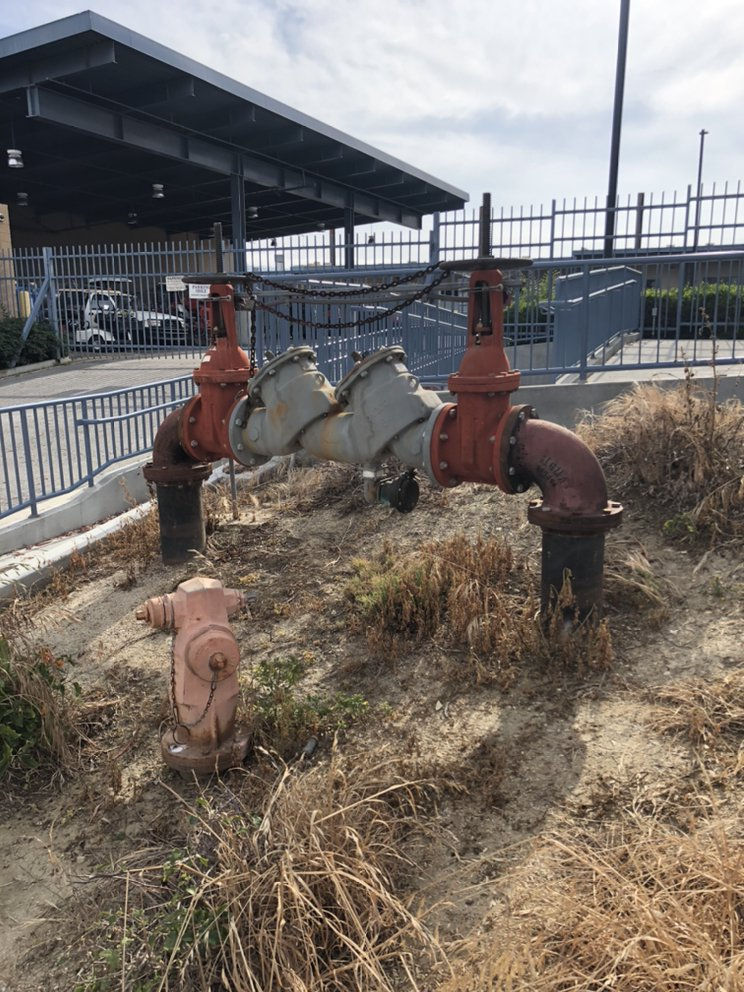
Backflow prevention devices, such as reduced pressure zone (RPZ) valves, are designed to prevent contaminated water from flowing backward into your clean water supply. If these devices become clogged with debris or worn out over time, they can restrict water flow, leading to reduced pressure throughout your plumbing system.
Pressure Imbalances
Backflow often occurs due to changes in water pressure. For example, if there’s a drop in pressure on the clean water supply side, contaminated water can be siphoned back into the system. This pressure imbalance may manifest as low water pressure at your faucets or fixtures.
Blockages or Buildup in Backflow Devices
Over time, debris and mineral buildup can accumulate in backflow prevention devices, obstructing water flow and causing pressure drops. If your water pressure seems unusually low, it’s worth having your backflow device inspected by professionals.
Pro Tip: If you’re experiencing low water pressure and suspect backflow issues, contact the backflow repair Long Beach experts recommend at Atlas Backflow Services for a thorough inspection and repair.
Other Warning Signs of Backflow
While low water pressure can indicate backflow, it’s not the only symptom to watch for. Here are some additional warning signs that your backflow prevention device may be failing:
Discolored or Foul-Smelling Water
Contaminated water entering your clean supply can result in water that appears cloudy, rusty, or has an unpleasant odor.
Unusual Taste
If your water tastes metallic, chemical-like, or otherwise unusual, it could be a sign of backflow.
Frequent Leaks
Leaks near your backflow prevention device or in your plumbing system can indicate pressure imbalances caused by backflow.
Slow Draining Appliances
Appliances like dishwashers or washing machines that drain slowly or fail to fill properly may be affected by backflow issues.
Visible Damage to Backflow Devices
Cracks, rust, or other visible damage to your backflow prevention device can compromise its ability to function correctly.
If you notice any of these signs, it’s important to act quickly. Left unresolved, backflow can contaminate your water supply and lead to costly repairs or health hazards.
Common Causes of Low Water Pressure and Backflow Issues
To better understand how to address low water pressure and backflow, it helps to know what causes these problems.
Debris and Mineral Buildup
Accumulated debris or limescale in pipes and backflow prevention devices can restrict water flow, reducing pressure and increasing the risk of backflow.
Damaged or Worn-Out Valves
Valves within your plumbing system or backflow devices can wear out over time, leading to leaks, pressure drops, and contamination risks.
Municipal Water Supply Issues
Drops in pressure from your local water supply, such as during system maintenance or a water main break, can create conditions for backflow to occur.
Improper Installation or Maintenance
Poorly installed or neglected backflow prevention devices are more likely to fail, causing both pressure issues and contamination risks.
Pro Tip: Regular inspections and maintenance by the backflow repair Long Beach experts recommend at Atlas Backflow Services can prevent these issues and ensure your system is functioning properly.
How to Address Low Water Pressure and Backflow
If you’re dealing with low water pressure or suspect backflow, here’s what you can do:
Inspect Your Backflow Prevention Device
Check for visible signs of damage or leaks around your backflow prevention device. If you’re unsure what to look for, contact a professional.
Test Your Backflow Prevention Device
Regular testing is essential to ensure your backflow prevention device is working correctly. In many areas, including Long Beach, annual testing is required by law for commercial properties.
Schedule Professional Maintenance
A licensed professional can diagnose and repair issues with your backflow prevention device, as well as address any other plumbing problems contributing to low water pressure.
Flush Your System
Flushing your plumbing system can help remove debris and mineral buildup that may be causing blockages or pressure drops.
Install a Water Pressure Regulator
If low water pressure is a recurring issue, consider installing a water pressure regulator to stabilize the flow and prevent pressure drops.
Why Choose Atlas Backflow Services?
When it comes to backflow prevention and repair in Long Beach, Atlas Backflow Services is the trusted choice for homeowners and businesses alike. Here’s why:
Expert Technicians: Our team has extensive experience diagnosing and repairing backflow prevention devices, ensuring your water supply remains safe and clean.
Comprehensive Services: From inspections and testing to repairs and maintenance, we offer everything you need to keep your plumbing system in top shape.
Local Knowledge: As a Long Beach-based company, we understand the unique challenges of water systems in the area.
Customer-Focused: Your safety and satisfaction are our top priorities. We work hard to provide reliable, high-quality service you can trust.
Final Thoughts
Low water pressure is more than just an inconvenience—it could be an early warning sign of backflow. By recognizing the connection between low pressure and backflow, and addressing issues promptly, you can protect your water supply and avoid costly repairs.If you’re in Long Beach and dealing with low water pressure or suspect a backflow issue, don’t wait.
Contact Atlas Backflow Services, where our backflow repair Long Beach experts recommend professional, reliable solutions tailored to your needs.


Comments