


What Does Corrosion on a Backflow Device Mean?
- bill57931
- 3 days ago
- 5 min read

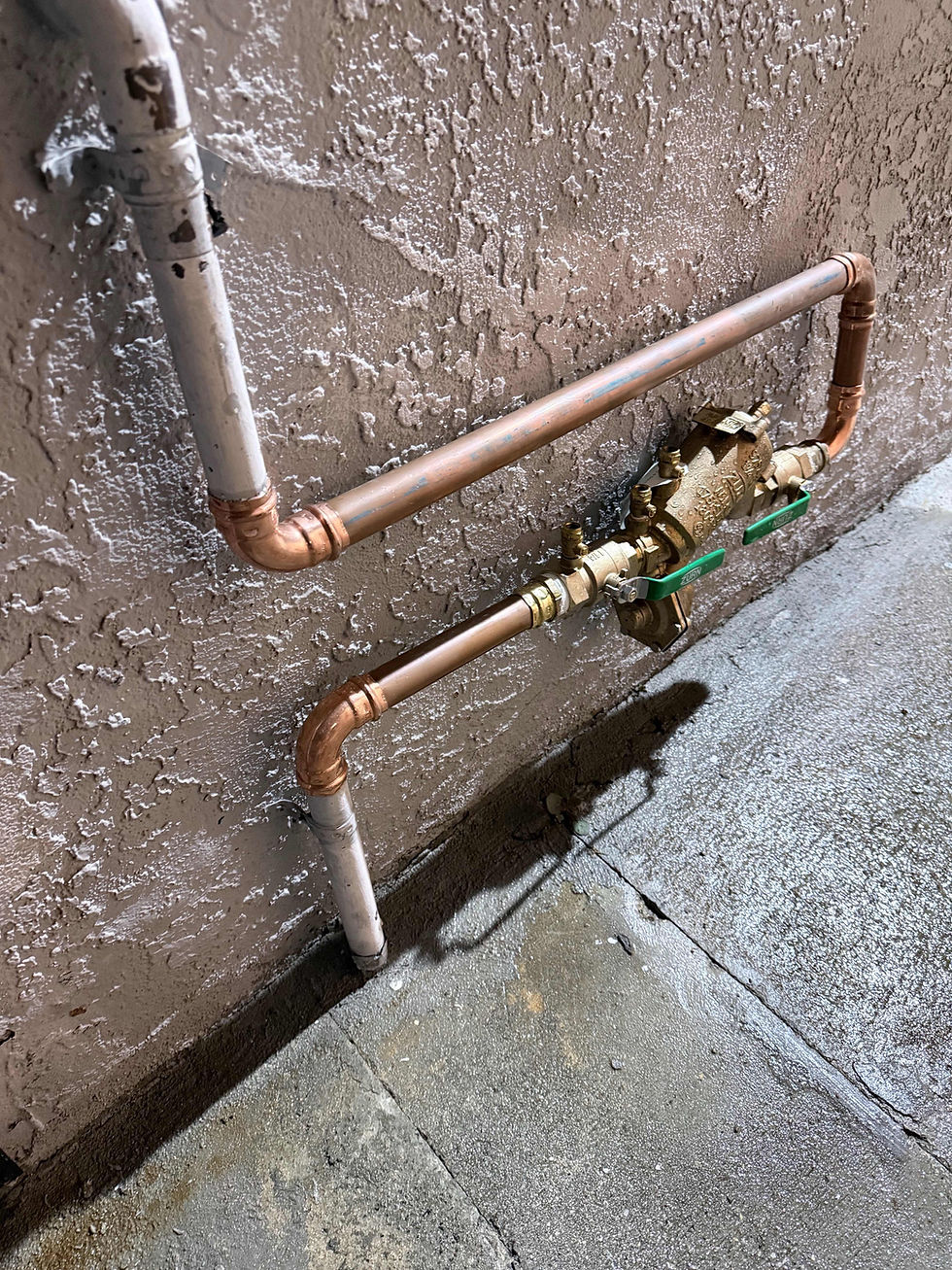
Corrosion is one of the most common issues that afflict backflow prevention devices. These critical components protect your clean water supply from contamination, and when corrosion appears, it could spell trouble for your plumbing system.
Not only does corrosion affect the efficiency and lifespan of the device, but it also poses potential risks to your water quality and compliance with local regulations.
At Atlas Backflow Services, we provide expert Backflow Testing Los Angeles services to keep your systems safe and functioning properly. In this article, we’ll take a closer look at what corrosion on a backflow device means, what causes it, and what you can do to prevent further damage.
What Is Corrosion on a Backflow Device?
Corrosion is a natural process where metal reacts with environmental factors—like water, oxygen, or certain chemicals—and begins to deteriorate.
For backflow prevention devices, which are typically made of brass, stainless steel, or other metals, corrosion can cause the material to weaken, leading to leaks, cracks, or even complete failure of the device.
When corrosion appears on your backflow prevention device, it’s a sign that the protective materials are breaking down, and the device may no longer be able to perform its essential function of preventing contaminated water from flowing back into your clean water supply.
This is why regular inspections and Backflow Testing Los Angeles are crucial to identify and address corrosion before it becomes a major issue.
What Causes Corrosion on Backflow Devices?
Several factors can contribute to corrosion on backflow devices. Understanding these causes can help you take preventive measures to protect your device.
1. Water Quality
Poor water quality is one of the leading causes of corrosion. If your water supply contains high levels of minerals, chemicals, or contaminants, it can accelerate the corrosion process. Hard water, which is common in some areas of Los Angeles, is particularly corrosive due to its high mineral content.
2. Environmental Conditions
Backflow devices installed outdoors are exposed to environmental factors like humidity, rain, and extreme temperatures. Over time, these conditions can cause oxidation and rust, especially if the device isn’t adequately protected.
3. Electrolysis
Electrolysis occurs when two dissimilar metals are in contact with each other in the presence of water, creating an electrochemical reaction. This reaction can lead to rapid corrosion, especially in older installations where different types of materials were used.
4. Chemical Exposure
In urban areas like Los Angeles, backflow devices may be exposed to chemicals from landscaping, cleaning agents, or industrial operations. These chemicals can erode the protective coating on the device, leading to corrosion.
5. Age of the Device
Like all plumbing equipment, backflow devices have a finite lifespan. Over time, the materials naturally degrade, making them more susceptible to corrosion. If your device hasn’t been replaced in many years, it’s more likely to show signs of rust or deterioration.
Signs of Corrosion on Your Backflow Device
It’s important to regularly inspect your backflow prevention device for signs of corrosion. Here are some common indicators:
Rust or Discoloration: Visible rust spots, green or white discoloration (on brass devices), or a chalky residue are signs of corrosion.
Leaks: Corrosion can weaken the device, leading to water leaks around the connections or seams.
Decreased Water Pressure: Corrosion inside the device can restrict water flow, causing a noticeable drop in water pressure.
Unusual Noises: If corrosion has caused internal damage, you may hear unusual sounds like hissing or gurgling from the device.
If you notice any of these signs, it’s essential to schedule an inspection with Atlas Backflow Services. Our Backflow Testing Los Angeles experts can assess the extent of the corrosion and recommend the best course of action.
Why Is Corrosion a Problem?
Corrosion on a backflow device is more than just a cosmetic issue. It can have serious consequences for your plumbing system and even public health. Here’s why you should take corrosion seriously:
Compromised Functionality: A corroded backflow device may fail to prevent contaminated water from flowing back into your clean water supply, putting your household, employees, or customers at risk.
Leaks and Water Waste: Corrosion can cause leaks, leading to increased water waste and higher utility bills.
Costly Repairs or Replacement: If left unchecked, corrosion can cause irreparable damage to the device, requiring expensive repairs or a full replacement.
Non-Compliance with Regulations: In Los Angeles, annual backflow testing is required to ensure compliance with local water safety regulations. A corroded or malfunctioning device could result in fines or other penalties.
How to Address Corrosion on a Backflow Device
The good news is that corrosion doesn’t always mean you need to replace your backflow device. Depending on the severity, there are steps you can take to address the issue:
1. Schedule Regular Backflow Testing
Regular inspections and Backflow Testing Los Angeles services are your first line of defense against corrosion. At Atlas Backflow Services, we inspect your device for signs of wear, clean any buildup, and ensure it’s functioning properly.
2. Repair or Replace Damaged Parts
If corrosion is limited to certain components, our technicians can often repair or replace the affected parts to restore the device’s functionality.
3. Protect the Device
For devices installed outdoors, consider adding protective covers or enclosures to shield them from environmental factors like rain or extreme temperatures.
4. Upgrade to Corrosion-Resistant Materials
If your current backflow device is old or made of less durable materials, upgrading to a modern device with corrosion-resistant components can save you money and headaches in the long run.
5. Flush Your System
If poor water quality is contributing to corrosion, flushing your plumbing system or installing a water treatment solution can help reduce mineral buildup and prolong the life of your backflow device.
Preventing Corrosion: Tips from Atlas Backflow Services
Prevention is always better than cure. Here are some tips to keep your backflow device in top condition:
Schedule Annual Testing: Regular Backflow Testing Los Angeles ensures that any issues are caught early before they escalate.
Inspect Your Device Regularly: Look for signs of rust, leaks, or discoloration, especially after heavy rain or extreme weather.
Maintain Proper Installation: Ensure your device is installed correctly and meets all local codes. Our experts at Atlas Backflow Services can inspect your setup and make recommendations.
Use Protective Coatings: Consider applying anti-corrosion coatings to protect the device from environmental damage.
Why Choose Atlas Backflow Services?
At Atlas Backflow Services, we’re committed to helping Los Angeles residents and businesses maintain safe, compliant, and efficient water systems. With years of experience in Backflow Testing Los Angeles, we provide:
Thorough inspections to detect corrosion and other issues
Expert advice on maintenance, repair, or replacement
Reliable service that ensures your device meets all local regulations
A friendly and professional team that puts your safety first
Conclusion
Corrosion on a backflow device is a sign that your system may be at risk. Whether it’s due to poor water quality, environmental factors, or simply the age of your device, addressing corrosion early is essential to maintaining clean, safe water.
With Atlas Backflow Services, you can trust that your backflow prevention needs are in expert hands. From routine inspections to emergency repairs, we offer comprehensive Backflow Testing Los Angeles services designed to keep your water supply safe and your system compliant.If you’ve noticed signs of corrosion on your backflow device, don’t wait—contact Atlas Backflow Services today to schedule an inspection. Let us help you protect your water supply and keep your system running smoothly!


Comments